
Rebar Cold Forging Machine: Complete Guide
Learn everything about Rebar Cold Forging Machines, including their working principle, benefits, applications, technical specifications, FAQs, and why TRP Machines & Tools supplies premium rebar upsetting machines for mechanical rebar coupler systems.
REV A
01Overview
The demand for stronger, faster, and more reliable reinforcement connections has made mechanical splicing the preferred choice over conventional lap splicing in modern construction. Before threading high-strength TMT bars, the bar ends often require an upsetting process to increase the bar diameter. This process is performed using a Rebar Cold Forging Machine, also known as a Rebar Upsetting Machine.
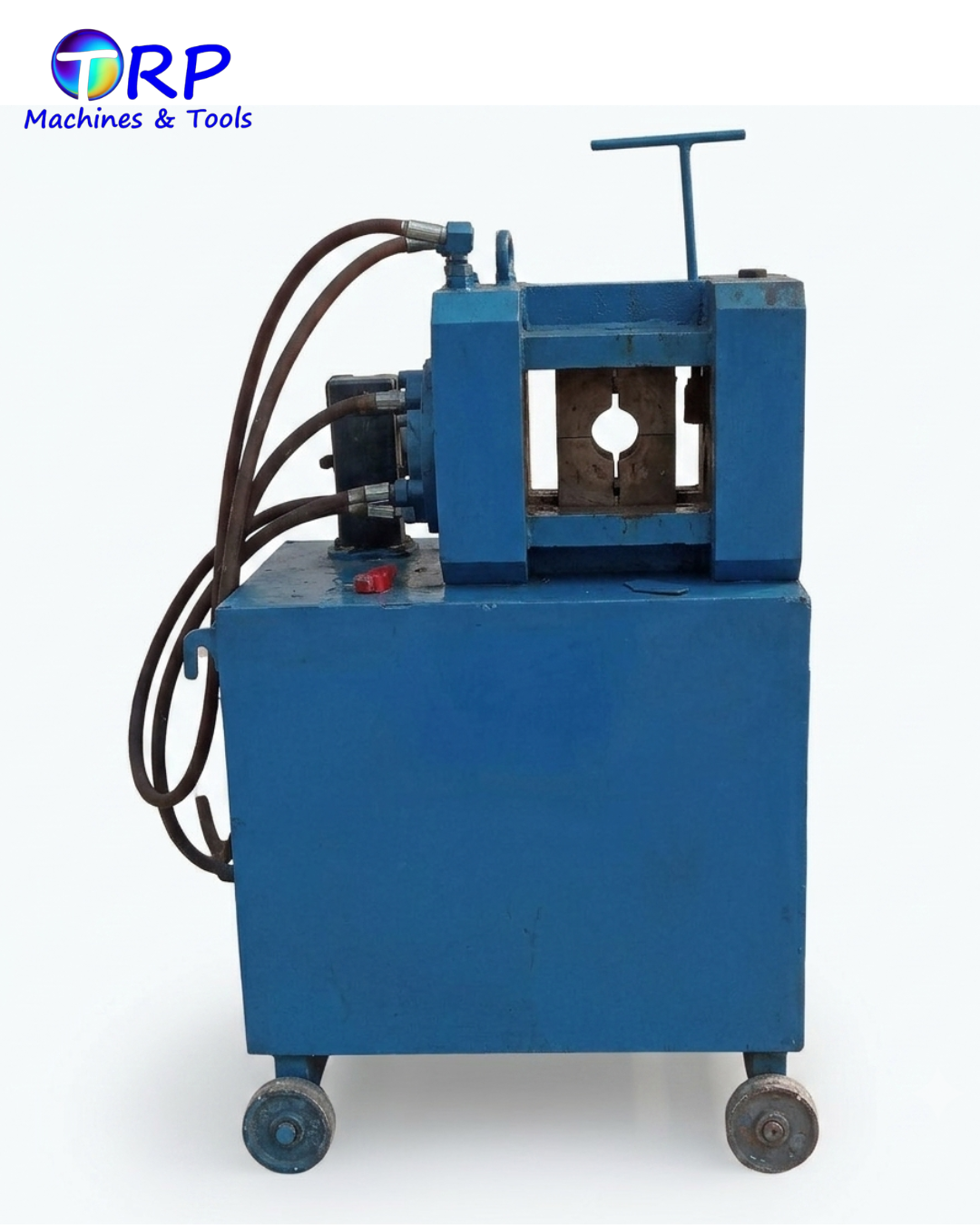
A Rebar Cold Forging Machine is a hydraulic machine that enlarges the end of a TMT reinforcement bar through a cold forging process without heating the steel. The enlarged end is then threaded using a rebar threading machine to produce high-strength threaded connections with rebar couplers.
Also known as Rebar Upsetting Machine, Cold Upsetting Machine, Rebar Forging Machine, TMT Bar Cold Forging Machine, Hydraulic Rebar Upsetting Machine, Bar Upsetting Machine, Cold Forging Equipment, Rebar End Upsetting Machine, or Mechanical Splicing Preparation Machine, it is widely used in high-rise buildings, bridges, metro rail projects, tunnels, dams, nuclear plants, airports, and industrial infrastructure.
TRP Machines & Tools, Mumbai, Maharashtra, India, manufactures premium-quality Rebar Cold Forging Machines engineered for high productivity, precision, durability, and long service life.
02Quick Answer
A Rebar Cold Forging Machine is a hydraulic machine that enlarges the end of a TMT reinforcement bar without heating it. The forged bar end is then threaded to create high-strength mechanical splices using threaded rebar couplers, improving structural performance and reducing steel consumption.
03What is a Rebar Cold Forging Machine?
A Rebar Cold Forging Machine is a specialized hydraulic machine used to increase the diameter of reinforcement bar ends through plastic deformation at room temperature. The upsetting process preserves the steel's mechanical properties while creating sufficient material for threading.
Cold forging is an essential step in producing high-quality threaded reinforcement bars for mechanical couplers, especially in projects requiring full-strength bar connections.
04Why is Cold Forging Required?
Direct threading removes steel from the reinforcement bar, reducing its effective diameter. Cold forging solves this issue by enlarging the bar end before threading.
Cold forging provides:
- Increased bar-end diameter
- Full-strength threaded connections
- Improved tensile performance
- Better load transfer
- Accurate thread formation
- Reliable mechanical splicing
- Reduced material loss
- Compliance with modern construction standards
05How Does a Rebar Cold Forging Machine Work?
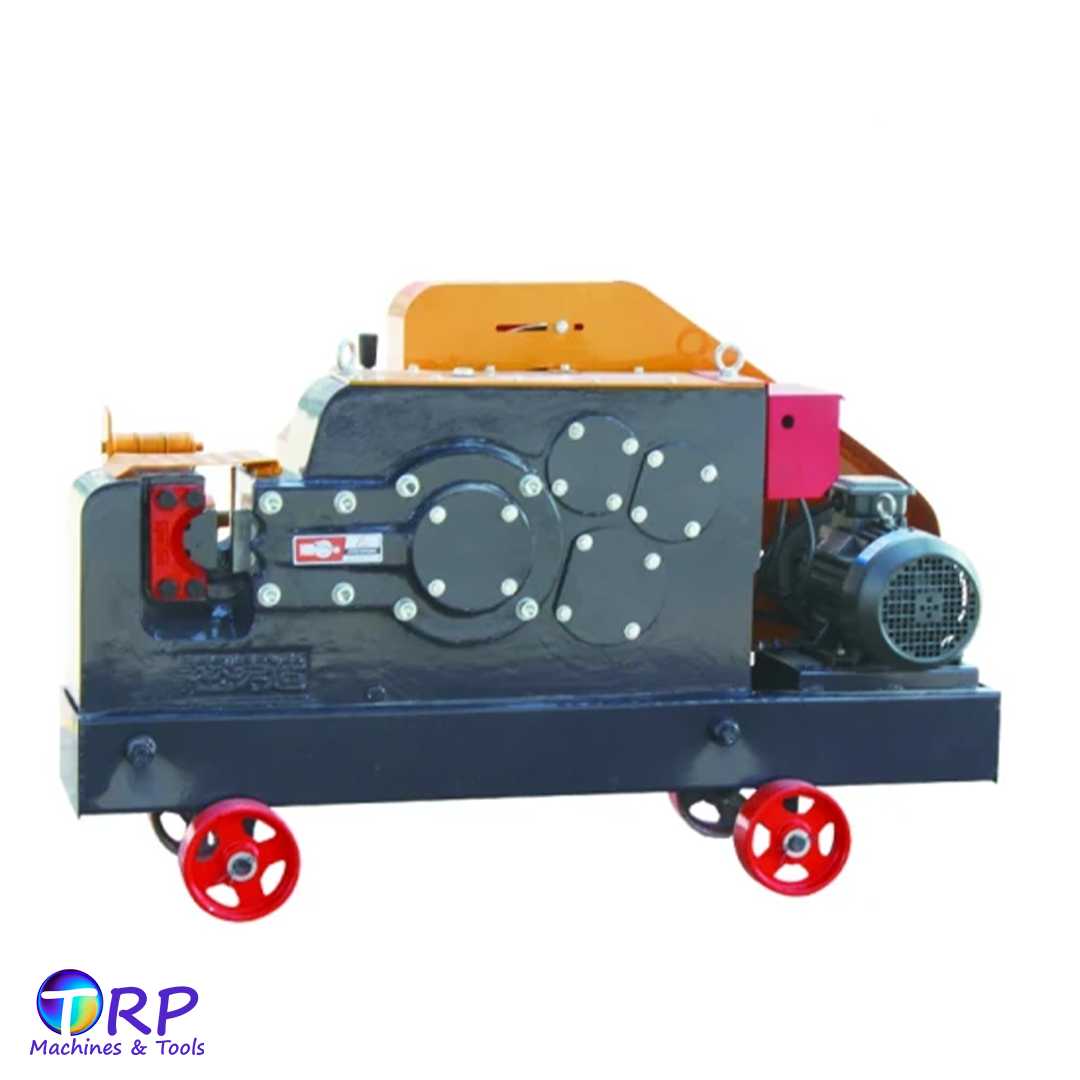
- 01Cut the Reinforcement BarThe TMT bar is cut square using a rebar cutting machine.
- 02Position the BarThe reinforcement bar is securely clamped inside the cold forging machine.
- 03Hydraulic UpsettingA hydraulic cylinder applies controlled pressure to enlarge the bar end without heating the steel.
- 04Inspect the Forged EndThe forged portion is checked for proper dimensions and surface quality.
- 05Threading ProcessThe enlarged bar end is threaded using a rebar threading machine.
- 06Coupler InstallationA threaded rebar coupler is installed, creating a strong mechanical splice.
06Why is Cold Forging Better Than Direct Threading?
Cold forging ensures that the threaded section maintains the required strength by increasing the diameter before cutting threads.
Compared to direct threading, cold forging offers:
- Higher tensile capacity
- Better thread quality
- Reduced diameter loss
- Improved mechanical splice performance
- Longer thread life
- Reliable structural connections
- Better compliance with engineering specifications
07Hydraulic Rebar Cold Forging Machine
Most commonly used for medium and large construction projects.
08Automatic Cold Forging Machine
Suitable for high-volume production with minimal operator intervention.
09Semi-Automatic Cold Forging Machine
Offers flexibility and cost-effectiveness for fabrication yards.
10Heavy-Duty Cold Forging Machine
Designed for bridges, metro rail, dams, nuclear plants, and infrastructure projects.
11Key Features
- Heavy-duty hydraulic system
- Precision upsetting operation
- High forging accuracy
- Robust steel construction
- Fast production cycle
- Easy operation
- Stable hydraulic pressure
- Durable machine body
- Low maintenance
- Energy-efficient operation
- Continuous industrial duty
- Long service life
- Consistent forging quality
12Structural Benefits
- Stronger threaded connections
- Full-strength mechanical splices
- Improved tensile performance
- Better load transfer
- Enhanced structural safety
13Construction Benefits
- Faster bar preparation
- Improved productivity
- Consistent thread quality
- Reduced rework
- Efficient reinforcement processing
14Financial Benefits
- Reduced steel wastage
- Lower labour costs
- Faster project completion
- Long machine lifespan
- Cost-effective reinforcement processing
15Technical Specifications
- Machine Type: Rebar Cold Forging Machine
- Alternative Name: Rebar Upsetting Machine
- Operation: Hydraulic
- Application: Upsetting TMT Bar Ends Before Threading
- Suitable Bar Diameter: 16 mm – 40 mm (or as required)
- Power Source: Electric Motor
- Hydraulic System: High-Pressure Hydraulic
- Construction: Heavy-Duty Steel Body
- Installation: Workshop / Construction Site / Rebar Yard
- Operation Duty: Continuous Industrial Duty
- Maintenance: Low
16Applications
Rebar Cold Forging Machines are widely used in:
- High-Rise Buildings
- Residential Construction
- Commercial Complexes
- Industrial Buildings
- Bridges
- Flyovers
- Metro Rail Projects
- Railway Infrastructure
- Tunnels
- Dams
- Airports
- Power Plants
- Nuclear Plants
- Marine Structures
- Smart City Projects
- Precast Concrete Plants
- Rebar Processing Yards
- Infrastructure Development
17Industries Served
- Construction Industry
- Civil Engineering
- Structural Engineering
- Infrastructure Development
- EPC Contractors
- Real Estate Developers
- Industrial Construction
- Bridge Engineering
- Metro Rail Projects
- Government Infrastructure
- Marine Engineering
- Precast Concrete Industry
18Rebar Cold Forging Machine vs Direct Threading
| Feature | Rebar Cold Forging Machine | Direct Threading |
|---|---|---|
| Bar End Diameter | Increased | Reduced |
| Thread Strength | Excellent | Lower |
| Tensile Capacity | Higher | Moderate |
| Mechanical Splice Performance | Superior | Moderate |
| Structural Reliability | Excellent | Good |
| Thread Life | Longer | Shorter |
| Suitable for Heavy Infrastructure | Yes | Limited |
19Installation & Operating Guidelines
- Install the machine on a level foundation.
- Ensure the hydraulic oil level is adequate.
- Use the correct dies for the selected bar diameter.
- Keep the reinforcement bar clean before upsetting.
- Inspect forged ends before threading.
20Maintenance Tips
- Check hydraulic oil regularly.
- Lubricate moving parts.
- Inspect dies for wear.
- Replace damaged seals immediately.
- Clean the machine after each shift.
- Follow scheduled preventive maintenance.
21Buying Guide
Before purchasing a Rebar Cold Forging Machine, consider:
- Hydraulic system quality
- Forging capacity
- Supported bar diameters
- Production speed
- Machine durability
- Energy efficiency
- Ease of maintenance
- Availability of spare parts
- Manufacturer reputation
- Technical support
22Why Choose TRP Machines & Tools?
TRP Machines & Tools manufactures precision-engineered Rebar Cold Forging Machines designed to deliver accurate upsetting, high productivity, and dependable performance for modern mechanical splicing systems.
23Why Customers Choose TRP Machines & Tools
- Heavy-duty hydraulic technology
- Precision upsetting mechanism
- Robust steel construction
- High production efficiency
- Reliable performance
- Long machine life
- Low maintenance
- Competitive pricing
- Pan India delivery
- Export-quality machinery
- Spare parts availability
- Trusted by contractors, fabrication yards, infrastructure developers, and EPC companies
24Frequently Asked Questions
What is a Rebar Cold Forging Machine?
A Rebar Cold Forging Machine is a hydraulic machine that enlarges the end of a TMT bar before threading, allowing stronger threaded mechanical splices.
Why is cold forging performed before threading?
Cold forging increases the diameter of the bar end, ensuring that thread cutting does not reduce the strength of the reinforcement bar.
Which bars can be processed?
The machine can process various diameters of TMT reinforcement bars depending on its capacity.
Where is a Rebar Cold Forging Machine used?
It is widely used in rebar processing yards, fabrication workshops, construction sites, bridges, metro projects, tunnels, dams, and industrial infrastructure.
Does cold forging require heating?
No. The process is performed at room temperature using hydraulic pressure, preserving the mechanical properties of the steel.
25Conclusion
A Rebar Cold Forging Machine is an essential part of modern rebar processing, enabling the production of high-strength threaded reinforcement bars for reliable mechanical splicing. By enlarging the bar end before threading, it improves connection strength, enhances structural safety, and supports faster, more efficient construction.
Whether you are working on residential buildings, commercial towers, bridges, metro systems, tunnels, dams, or industrial infrastructure, TRP Machines & Tools supplies premium-quality Rebar Cold Forging Machines designed for precision, durability, and long-term performance.
Rebar Cold Forging Machine
- Rebar Upsetting Machine
- Cold Forging Machine
- Rebar Forging Machine
- TMT Bar Cold Forging Machine
- Hydraulic Rebar Upsetting Machine
- Bar Upsetting Machine
- Cold Forging Equipment
- Rebar End Upsetting Machine
- Mechanical Splicing Machine
- Rebar Processing Machine
- Best Rebar Cold Forging Machine Manufacturer in India
- Hydraulic Rebar Upsetting Machine Supplier
- Cold Forging Machine for TMT Bars
- Rebar Upsetting Machine for Threaded Couplers
- Heavy Duty Rebar Cold Forging Machine
- Rebar Cold Forging Machine for Infrastructure Projects
- Mechanical Splicing Equipment India
- Rebar End Upsetting Machine for Construction
- Cold Forging Machine for Rebar Processing Yard
- Industrial Rebar Cold Forging Machine India