
Rebar Coupler: Complete Guide
Learn everything about Rebar Couplers, including types, working principle, benefits, applications, technical specifications, installation process, FAQs, and why TRP Machines & Tools supplies premium-quality mechanical rebar couplers for modern construction.
REV A
01Overview
As modern construction projects become taller, stronger, and more complex, traditional reinforcement joining methods such as lap splicing are gradually being replaced by Mechanical Rebar Couplers. Rebar couplers provide stronger, safer, and more economical reinforcement connections while reducing steel consumption and reinforcement congestion.
A Rebar Coupler is a precision-engineered mechanical connector used to join two reinforcement bars (TMT bars) end-to-end, creating a continuous load path without overlapping steel. Mechanical splicing improves structural performance, increases construction speed, and ensures reliable force transfer throughout reinforced concrete structures.
Also known as Mechanical Rebar Coupler, Threaded Rebar Coupler, TMT Bar Coupler, Mechanical Splice Coupler, Steel Bar Coupler, Parallel Thread Coupler, Reinforcement Bar Coupler, Mechanical Reinforcement Connector, Rebar Joint Coupler, or TMT Coupler, these products are widely used in residential buildings, commercial towers, bridges, flyovers, metro rail, tunnels, dams, marine structures, industrial plants, airports, and infrastructure projects.
TRP Machines & Tools, Mumbai, Maharashtra, India, manufactures premium-quality Rebar Couplers using high-strength alloy steel with precision machining for superior performance, dimensional accuracy, and long service life.
02Quick Answer
A Rebar Coupler is a mechanical device used to connect two reinforcement bars without lap splicing or welding. It provides a stronger, more reliable reinforcement connection, improves structural integrity, reduces steel consumption, and speeds up construction.
03What is a Rebar Coupler?
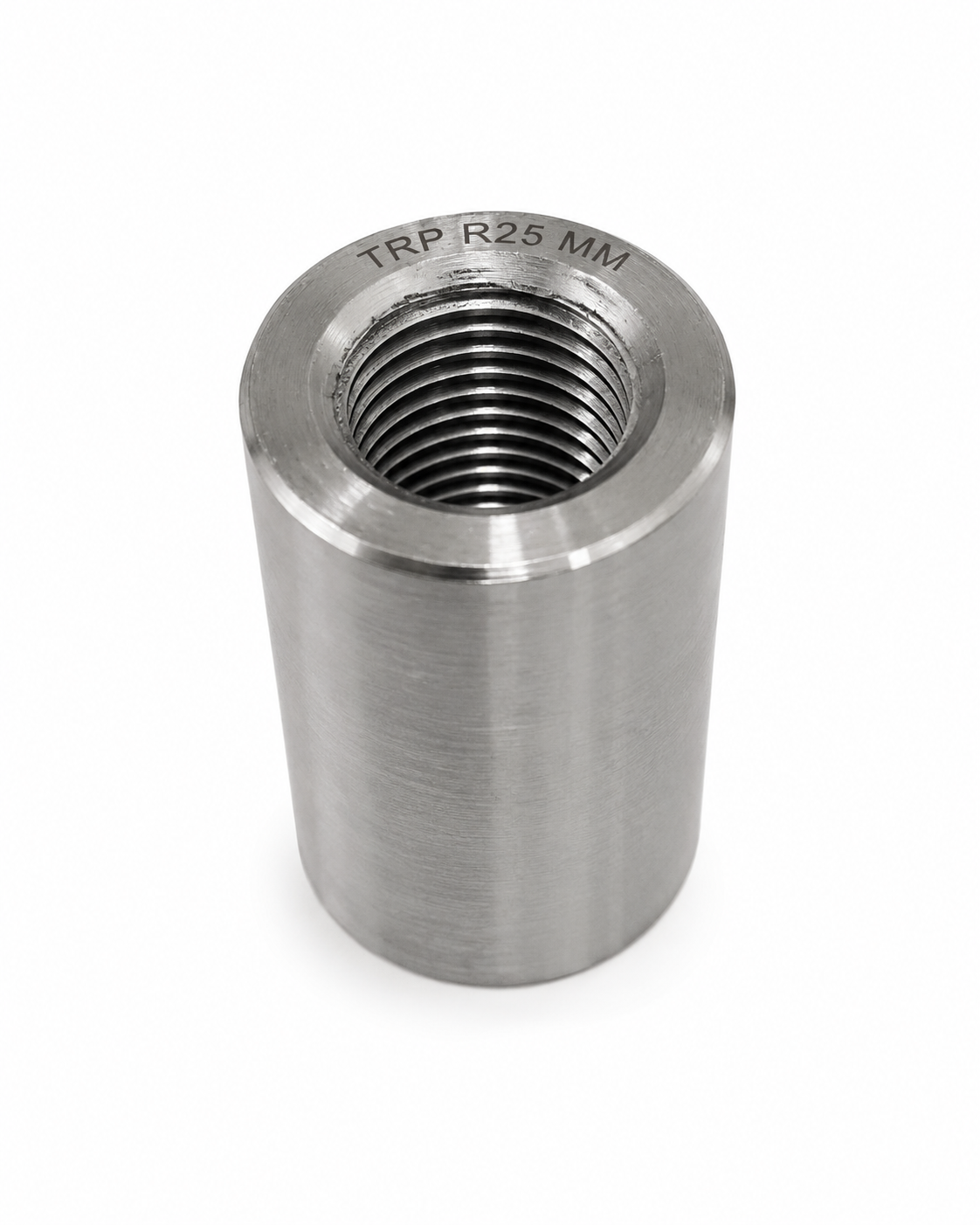
A Rebar Coupler is a mechanical connector manufactured from high-strength alloy steel that joins two reinforcement bars together, creating a continuous reinforcement system capable of transferring tensile, compressive, and seismic loads.
Instead of overlapping reinforcement bars, mechanical couplers create a direct connection that improves structural efficiency while reducing congestion inside reinforced concrete members.
Mechanical couplers are commonly used with threaded reinforcement bars prepared using Rebar Cold Forging Machines and Rebar Threading Machines.
04Why is a Rebar Coupler Required?
Traditional lap splicing has several limitations:
- High steel consumption
- Reinforcement congestion
- Difficult concrete placement
- Increased labour
- Longer construction time
- Material wastage
A Rebar Coupler eliminates these issues by providing:
- Strong mechanical connection
- Reduced lap length
- Better load transfer
- Faster installation
- Lower steel usage
- Easier reinforcement fixing
- Improved concrete compaction
- Better structural performance
05How Does a Rebar Coupler Work?
- 01Cut the Reinforcement BarThe reinforcement bar is cut to the required length using a rebar cutting machine.
- 02Cold Forge the Bar EndThe bar end is enlarged using a Rebar Cold Forging Machine (where applicable).
- 03Thread the BarThreads are produced using a Rebar Threading Machine.
- 04Install the CouplerThe threaded rebar coupler is screwed onto one reinforcement bar.
- 05Join the Second BarThe second threaded bar is inserted and tightened.
- 06InspectionThe completed connection is checked for proper engagement and alignment.
06Why are Mechanical Couplers Better Than Lap Splicing?
Mechanical splicing provides several engineering advantages over conventional lap splicing.
07Reduced Steel Consumption
Mechanical couplers eliminate long overlap lengths, reducing steel usage.
08Better Structural Performance
Load is transferred directly through the coupler, ensuring continuous reinforcement.
09Reduced Reinforcement Congestion
Smaller reinforcement cages improve concrete flow and compaction.
10Faster Construction
Mechanical splicing significantly reduces reinforcement fixing time.
11Easier Quality Control
Couplers can be visually inspected before concrete placement.
12Standard Threaded Rebar Coupler
Used for joining reinforcement bars of the same diameter.
13Reducer Rebar Coupler
Connects reinforcement bars of different diameters.
14Position Coupler
Used when neither reinforcement bar can rotate.
15Transition Coupler
Connects reinforcement bars with varying specifications.
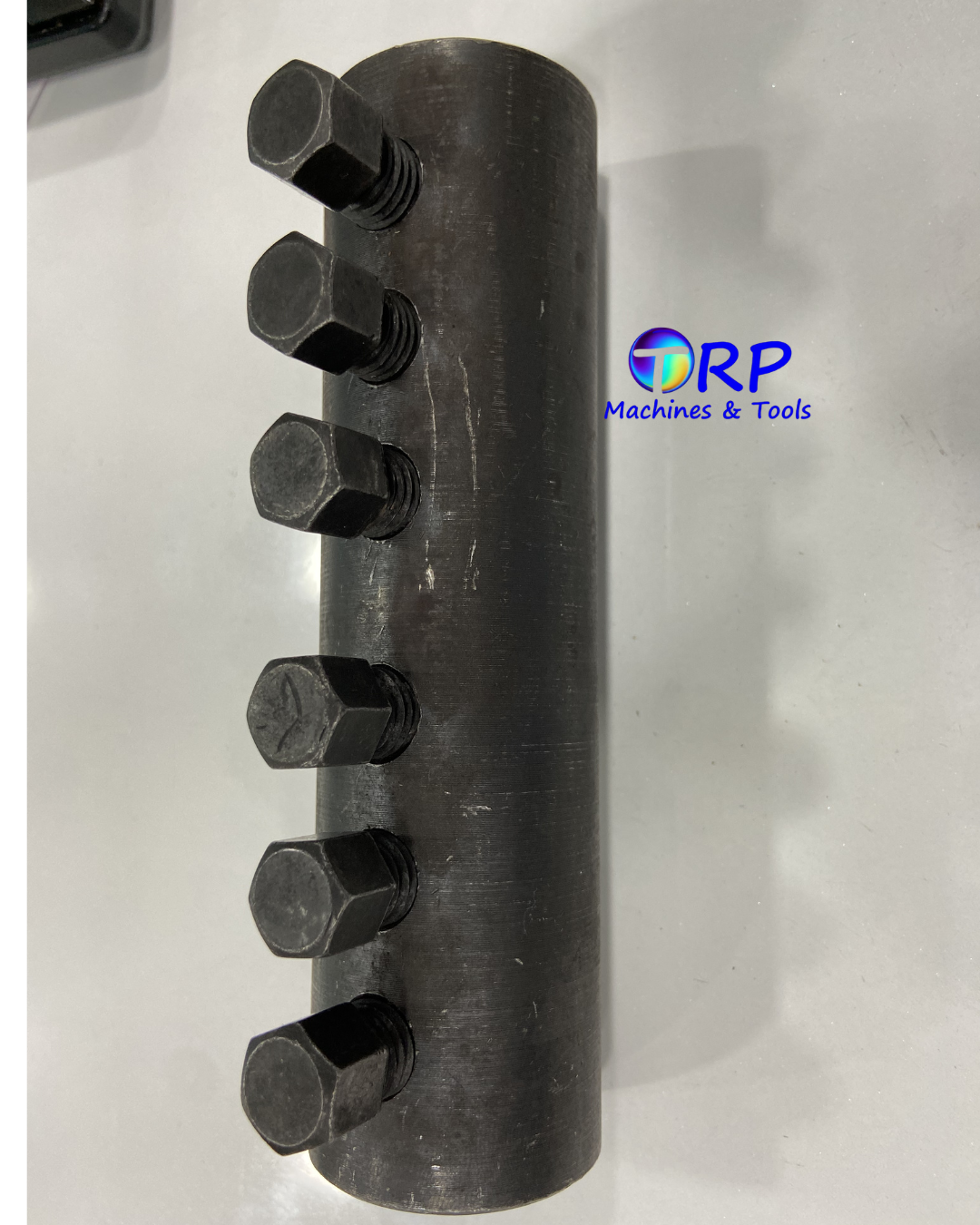
16MBT Coupler
A bolted mechanical coupler used where threading is not possible.
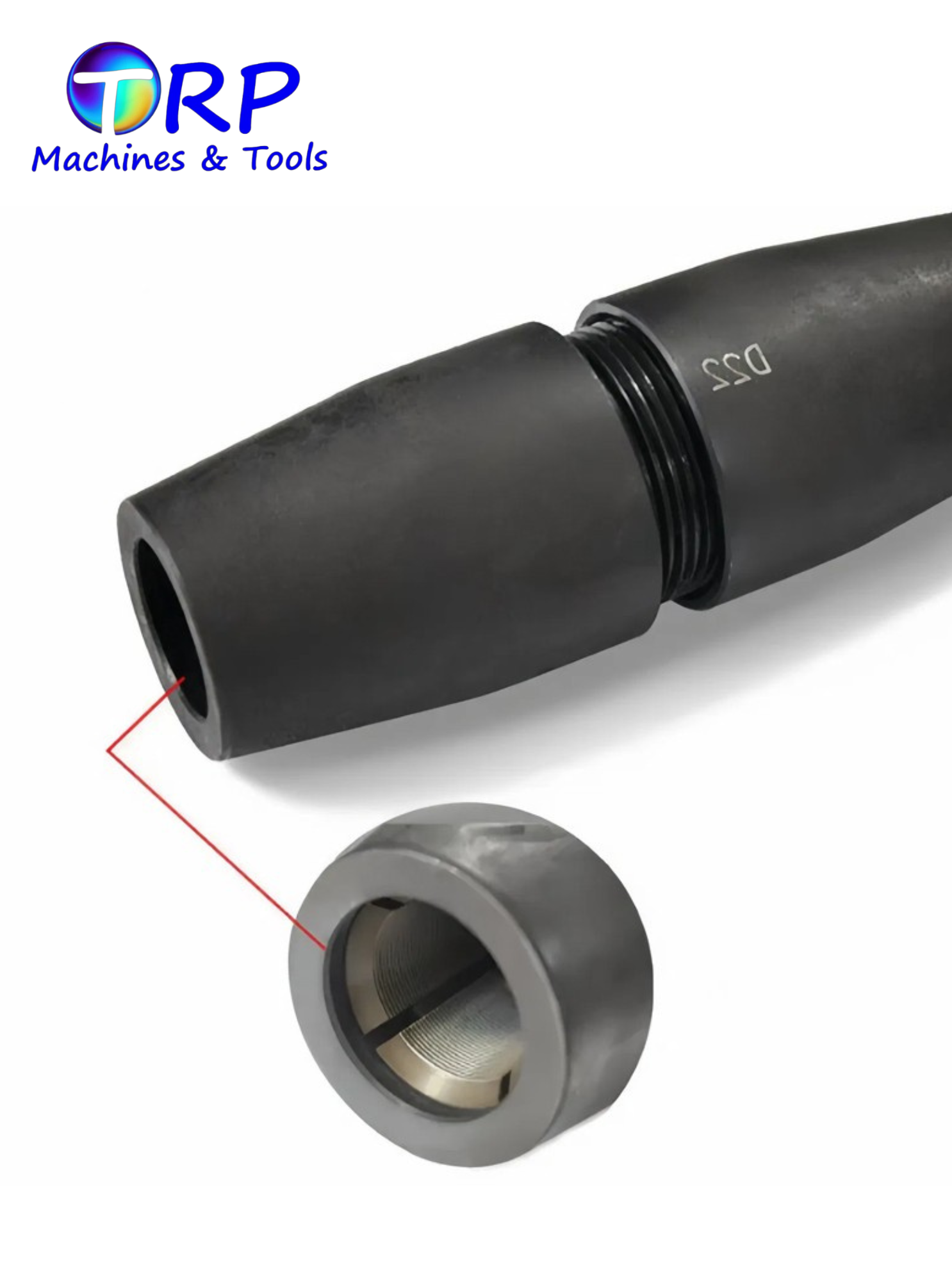
17Push Fit Rebar Coupler
A threadless coupler designed for quick installation.
18One Touch Rebar Coupler
Provides instant mechanical connection without threading.
19Key Features
- High-strength alloy steel construction
- Precision-machined threads
- Excellent tensile performance
- Superior dimensional accuracy
- Heavy-duty construction
- Reliable load transfer
- Corrosion-resistant finish (optional)
- Long service life
- Low maintenance
- Easy installation
- Suitable for seismic applications
- Compatible with TMT reinforcement bars
- Quality tested for consistent performance
20Structural Benefits
- Full-strength mechanical splice
- Reliable load transfer
- Improved reinforcement continuity
- Enhanced seismic performance
- Better crack control
21Construction Benefits
- Faster installation
- Reduced labour requirement
- Easier reinforcement fixing
- Improved concrete placement
- Reduced project duration
22Financial Benefits
- Lower steel consumption
- Reduced labour costs
- Faster project completion
- Lower material wastage
- Better lifecycle value
23Technical Specifications
- Product Type: Mechanical Rebar Coupler
- Material: High-Strength Alloy Steel (EN8D or Equivalent)
- Connection Type: Parallel Thread Mechanical Splice
- Application: Joining TMT Reinforcement Bars
- Suitable Bars: Fe 500, Fe 500D, Fe 550, Fe 550D, Fe 600
- Available Sizes: 12 mm, 16 mm, 20 mm, 25 mm, 28 mm, 32 mm, 36 mm, 40 mm
- Surface Finish: Natural / Zinc Coated / Black Finish
- Installation: Threaded Connection
- Maintenance: Low
- Service Life: Long
24Installation Process
- Cut the reinforcement bars accurately.
- Cold forge the bar ends (if required).
- Produce precision threads.
- Clean the threaded surfaces.
- Screw the coupler onto the first bar.
- Insert and tighten the second bar.
- Verify proper thread engagement.
- Complete reinforcement fixing.
25Applications
Rebar Couplers are widely used in:
- Residential Buildings
- Commercial Buildings
- High-Rise Towers
- Industrial Structures
- Bridges
- Flyovers
- Metro Rail Projects
- Railway Infrastructure
- Tunnels
- Dams
- Marine Structures
- Nuclear Plants
- Airports
- Power Plants
- Water Treatment Plants
- Smart City Projects
- Precast Concrete
- Infrastructure Development
- Repair & Retrofit Projects
26Industries Served
- Construction Industry
- Civil Engineering
- Structural Engineering
- Infrastructure Development
- EPC Contractors
- Real Estate Developers
- Industrial Construction
- Bridge Engineering
- Metro Rail
- Marine Engineering
- Government Infrastructure
- Precast Concrete Industry
27Rebar Coupler vs Lap Splicing
| Feature | Rebar Coupler | Lap Splicing |
|---|---|---|
| Steel Consumption | Low | High |
| Structural Strength | Excellent | Good |
| Reinforcement Congestion | Low | High |
| Concrete Flow | Better | Restricted |
| Labour Requirement | Low | High |
| Installation Speed | Fast | Slow |
| Quality Inspection | Easy | Difficult |
| Project Cost | Lower Overall | Higher Overall |
28Rebar Coupler vs Welding
| Feature | Rebar Coupler | Welding |
|---|---|---|
| Heat Required | No | Yes |
| Installation Speed | Fast | Moderate |
| Structural Reliability | Excellent | Depends on weld quality |
| Skilled Labour | Moderate | High |
| Quality Consistency | High | Variable |
| Bar Properties | Preserved | May be affected by heat |
29Maintenance & Storage
- Store couplers in a dry, clean environment.
- Protect threaded surfaces from dirt and damage.
- Use correct size couplers for each bar diameter.
- Inspect threads before installation.
- Do not use damaged or deformed couplers.
30Buying Guide
Before purchasing Rebar Couplers, consider:
- Material grade
- Tensile strength
- Thread accuracy
- Dimensional precision
- Compliance with project specifications
- Corrosion resistance
- Manufacturer reputation
- Quality certifications
- Technical support
- Availability of matching threading equipment
31Why Choose TRP Machines & Tools?
TRP Machines & Tools manufactures precision-engineered Rebar Couplers using premium-grade alloy steel and advanced machining processes to deliver reliable, high-performance reinforcement connections for modern construction.
32Why Customers Choose TRP Machines & Tools
- Premium EN8D alloy steel
- Precision thread machining
- High tensile performance
- Strict quality control
- Excellent dimensional accuracy
- Heavy-duty construction
- Long service life
- Competitive pricing
- Bulk supply capability
- Pan India delivery
- Export-quality products
- Technical support
- Trusted by contractors, structural engineers, infrastructure developers, precast manufacturers, and EPC companies
33Frequently Asked Questions
What is a Rebar Coupler?
A Rebar Coupler is a mechanical connector used to join two TMT reinforcement bars, replacing conventional lap splicing.
Why use Rebar Couplers?
They reduce steel consumption, improve structural performance, minimize reinforcement congestion, and speed up construction.
Which bars are compatible with Rebar Couplers?
Most Fe 500, Fe 500D, Fe 550, Fe 550D, and Fe 600 TMT reinforcement bars can be connected using suitable couplers.
Where are Rebar Couplers commonly used?
They are used in residential buildings, bridges, metro projects, tunnels, dams, industrial structures, marine works, airports, and infrastructure developments.
Are Rebar Couplers suitable for seismic zones?
Yes. Properly designed and installed mechanical couplers are widely used in earthquake-resistant reinforced concrete structures.
34Conclusion
A Rebar Coupler is one of the most important innovations in modern reinforced concrete construction. It provides a strong, efficient, and reliable alternative to traditional lap splicing by improving structural continuity, reducing steel consumption, minimizing reinforcement congestion, and accelerating construction.
Whether you are building residential towers, commercial buildings, bridges, metro systems, tunnels, dams, or industrial infrastructure, TRP Machines & Tools supplies premium-quality Mechanical Rebar Couplers engineered for strength, precision, and long-term performance.
Rebar Coupler
- Mechanical Rebar Coupler
- TMT Bar Coupler
- Threaded Rebar Coupler
- Mechanical Splice Coupler
- Reinforcement Bar Coupler
- Steel Bar Coupler
- Parallel Thread Coupler
- Rebar Connector
- TMT Coupler
- Mechanical Reinforcement Connector
- Best Rebar Coupler Manufacturer in India
- Mechanical Rebar Coupler Supplier
- Threaded Rebar Coupler for TMT Bars
- Rebar Coupler for High Rise Buildings
- Heavy Duty Mechanical Rebar Coupler
- Rebar Coupler for Bridge Construction
- Rebar Coupler for Infrastructure Projects
- Mechanical Splicing System India
- Rebar Coupler for RCC Construction
- Industrial Rebar Coupler India