

Concrete floors are commonly used in warehouses, industrial plants, parking areas, commercial buildings, logistics centers, factories, and other heavy-duty facilities. Large concrete floor areas require well-designed joints to accommodate movement, temperature fluctuations, shrinkage, and heavy loads. Without an effective joint system, concrete floors are prone to cracks, edge damage, and surface deterioration.
An Armour Joint for Floors offers a practical solution to protect concrete floor joints and maintain a durable surface. It reinforces the edges along the joints while managing movement between adjacent concrete slabs. By using the right joint system, construction professionals can enhance floor performance and minimize maintenance needs.
What Is an Armour Joint For Floor?
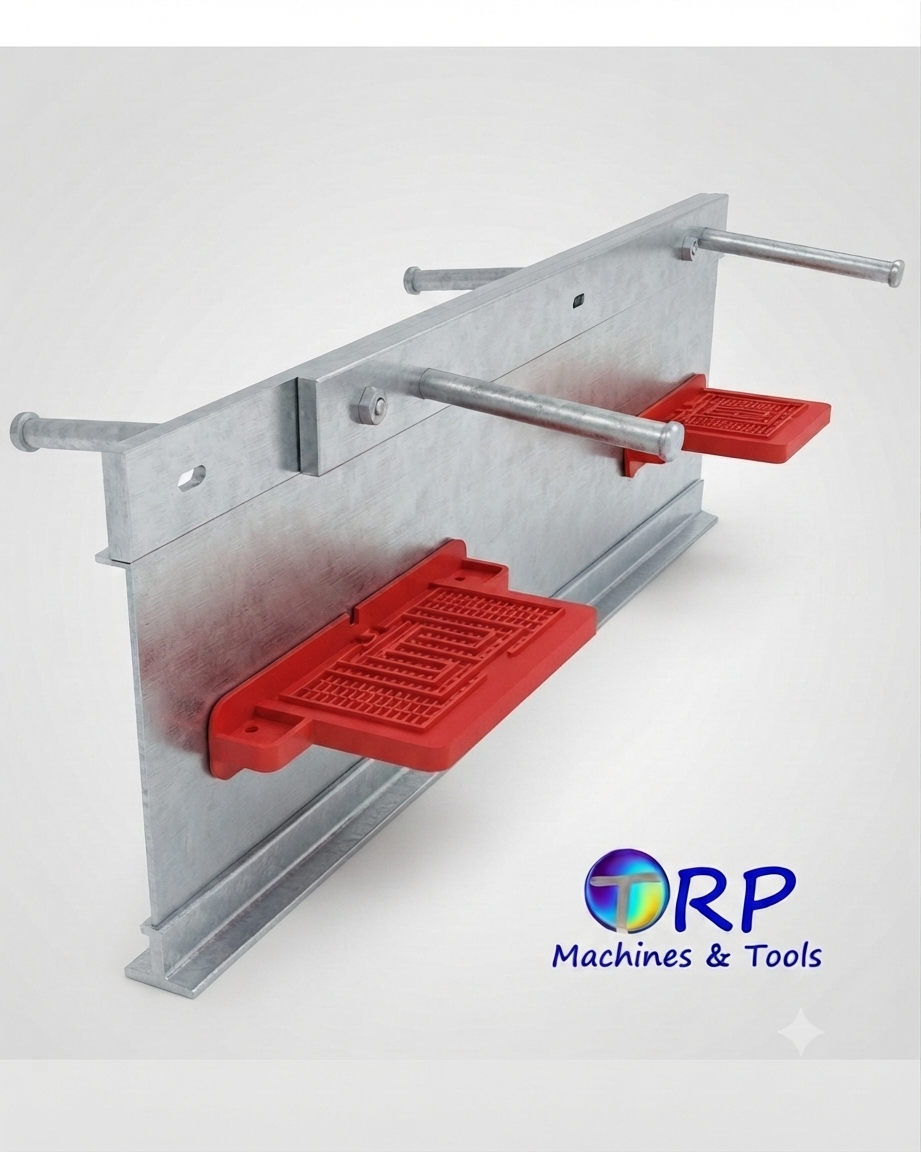
An Armour Joint For Floor is a heavy-duty protection system installed at construction joints in concrete flooring. It typically features strong metal sections designed to shield the edges of concrete slabs from impact, abrasion, and damage caused by movement or heavy traffic.
Concrete floors in industrial and commercial settings often endure loads from forklifts, pallet trucks, heavy vehicles, machinery, and storage systems. These repetitive loads can damage unprotected joint edges. An armour joint provides extra protection in these high-traffic areas.
Additionally, the system creates a defined joint line between concrete slabs, facilitating joint management while maintaining a durable and professional floor finish.
Why Are Floor Joints Important?
Concrete naturally expands, contracts, and shrinks due to temperature changes, moisture variations, drying, and loading conditions. Properly designed joints provide controlled locations for these movements to occur.
A Floor Expansion Joint helps accommodate this movement and reduces the risk of uncontrolled cracking. However, the joint itself can be vulnerable to continuous traffic and impact.
Therefore, joint protection is especially crucial in industrial flooring. An armour joint safeguards the vulnerable concrete edges and helps preserve the floor's structural integrity around the joint.
Key Benefits of Armour Joint For Floor
Using an Armour Joint For Floor offers several advantages for demanding concrete flooring applications:
Protects Concrete Joint Edges
Concrete joint edges can chip or break under repeated wheel loads and impacts. Armour profiles provide extra protection to these vulnerable areas.
Suitable for Heavy Traffic
Industrial floors often see frequent movement of forklifts, trolleys, vehicles, and machinery. A properly selected heavy-duty floor joint systemcanwithstand these demanding traffic conditions.
Helps Improve Floor Durability
Protecting joint edges reduces premature deterioration, contributing to a longer-lasting floor system when the joint is correctly designed and installed.
Provides a Clean Joint Finish
Armour joint systems create a defined, uniform joint line, enhancing the overall appearance and finish quality of concrete floors.
Supports Movement Management
A well-designed floor expansion joint allows controlled movement between concrete sections. The armour system protects the joint area while accommodating the movement specified in the flooring design.
Applications of Armour Joint For Floor
An Armour Joint For Floor is suitable for a wide range of commercial, industrial, and infrastructure flooring applications. Common uses include:
- Industrial factories
- Warehouses
- Distribution centers
- Logistics facilities
- Parking structures
- Manufacturing plants
- Commercial buildings
- Workshops
- Airports and transportation facilities
- Cold storage facilities
- Heavy-duty equipment areas
- Loading and unloading zones
The choice of joint profile depends on factors such as floor thickness, expected traffic, load conditions, joint width, concrete design, and installation requirements.
Armour Joint for Industrial Flooring
Industrial flooring requires greater resistance to mechanical stress than many conventional applications. Forklifts and heavy equipment repeatedly cross floor joints, generating impact and dynamic loads.
An Armour Joint For Floor reinforces the joint edges, preventing damage from repeated traffic. This is especially valuable in warehouses and manufacturing facilities where vehicles frequently cross the same areas. Choosing the right joint system during the design phase helps construction teams minimize future repairs and maintain smoother floor operations.
Armour Joint and Floor Expansion Joint
While the terms Armour Joint For Floor and Floor Expansion Joint are sometimes used together, they describe different aspects of concrete floor joint systems.
- A Floor Expansion Joint primarily provides a controlled location for concrete movement.
- An Armour Joint focuses on protecting the joint edges from mechanical damage.
In many heavy-duty flooring systems, these roles complement each other. Effective joint design should address both movement accommodation and edge protection.
How to Select the Right Armour Joint
Choosing the appropriate Armour Joint For Floor depends on the specific site conditions. Consider the following factors before selecting a product:
- Floor Load
- Identify if the floor will support pedestrians, light vehicles, forklifts, heavy machinery, or large industrial equipment.
- Traffic Frequency
- High-traffic areas with continuous forklift or vehicle movement may require more robust joint protection compared to areas with occasional traffic.
- Concrete Thickness
- Ensure the joint profile matches the thickness and construction details of the concrete slab.
- Joint Width
- Account for the required joint width and movement capacity during product selection and floor design.
- Environmental Conditions
- Consider temperature variations, moisture, chemicals, and other environmental factors that may impact flooring performance. Choose materials suited for the operating environment.
- Installation Requirements
- Proper installation is crucial for joint performance. The joint profile must be correctly positioned, aligned, secured, and integrated with the concrete floor according to the manufacturer’s guidelines.
Installation of Armour Joint For Floor
Proper installation is crucial for the effective performance of an armour joint system. The installation process may vary depending on the product design and project requirements.
Typically, the joint profile is positioned at the designated location before or during concrete placement. It must be accurately aligned and maintained at the specified elevation. Concrete is then placed and compacted around the profile.
After curing and finishing, the joint area should be inspected to ensure correct alignment and a smooth transition between floor sections.
Professional installation ensures the joint performs well under expected loading and movement conditions.
Why Choose a Quality Armour Joint Manufacturer ?
Partnering with an experienced Armour Joint Manufacturer helps construction companies select products tailored to their specific flooring needs. A trustworthy manufacturer or supplier provides detailed product specifications, technical information, installation guidance, and ongoing support.
Using quality materials is essential for industrial floors, as joint systems must endure repeated mechanical loads over extended periods.
TRP Machines & Tools offers construction and reinforcement products and solutions for infrastructure and industrial flooring. Customers can consult the technical team to identify the most suitable joint solutions for their projects.
Maintenance of Armour Joint Systems
Although armour joint systems are built for demanding conditions, regular inspections help maintain floor performance. Facility owners should periodically check joints for visible damage, loose parts, excessive wear, or concrete deterioration.
Early problem detection can prevent minor joint issues from escalating into major flooring damage.
Keeping the joint area clean and free of debris supports smooth vehicle movement and reduces unnecessary impact on the joint.
Conclusion
An Armour Joint For Floor is essential for concrete floors where joint edges face heavy traffic, impact, and repeated loads. By protecting these vulnerable edges, the system enhances floor durability and lowers maintenance needs.
In industrial facilities, warehouses, factories, parking areas, and logistics centers, combining proper Floor Expansion Joint design with effective edge protection results in a more reliable flooring system.
Selecting the right product depends on floor thickness, load conditions, traffic levels, joint size, environmental factors, and project requirements. Proper installation is equally critical to achieving optimal performance.
TRP Machines & Tools offers construction products and technical support for industrial and infrastructure projects. Choosing the right Armour Joint For Floor is a key step toward a strong, functional, and long-lasting concrete floor.