

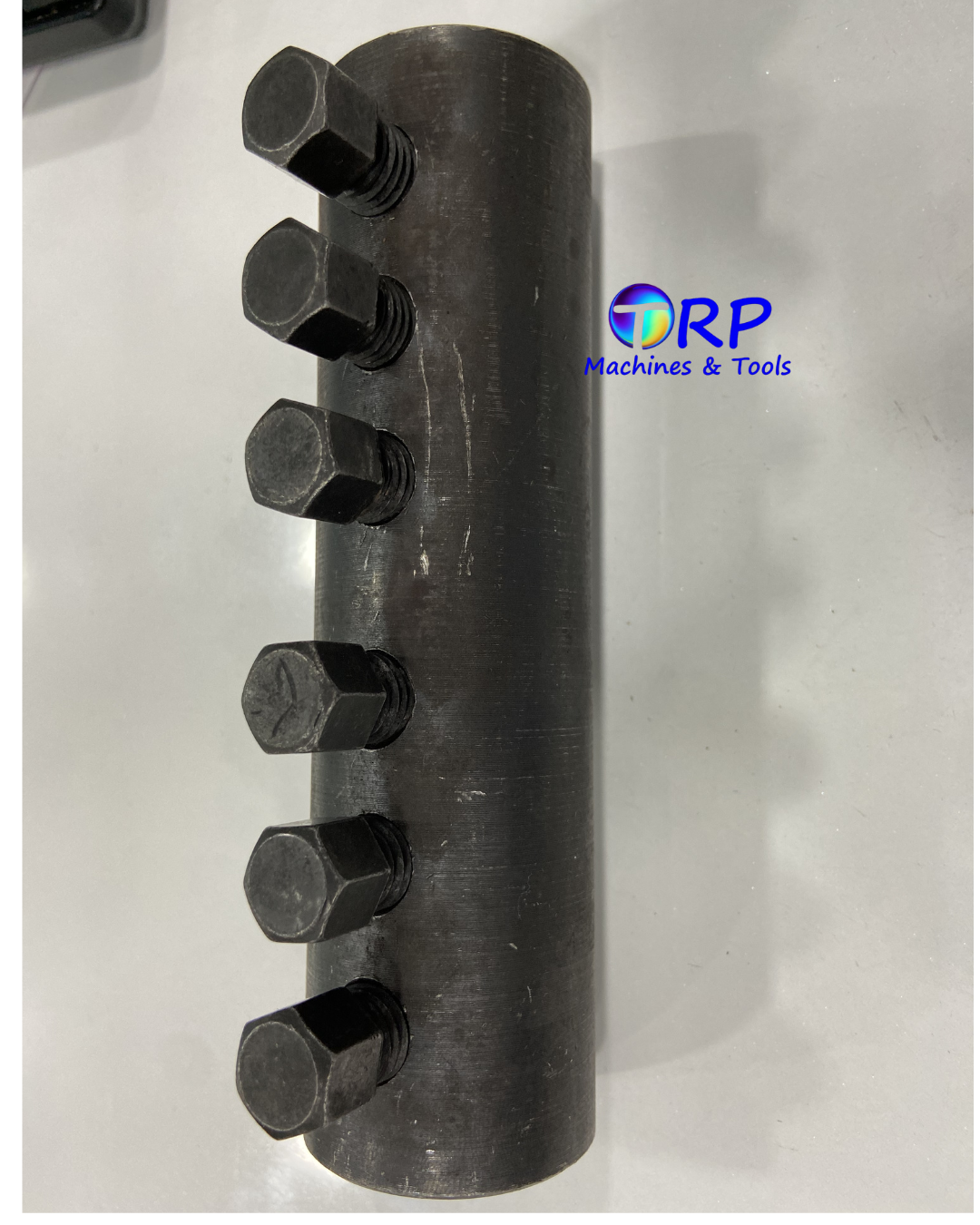
High Speed Rebar Coupler: Benefits, Applications and Faster Reinforcement Connections
Reinforcement work is an important part of reinforced concrete construction, and connecting steel bars efficiently can influence construction workflow, installation time and reinforcement arrangement. In projects involving repetitive reinforcement connections, conventional lap splicing may increase reinforcement congestion and require additional steel.
A high speed rebar coupler is a mechanical reinforcement connection solution designed to simplify the joining of reinforcing bars through a specified mechanical connection method. Depending on its design, it can support efficient reinforcement assembly and help reduce the complexity of connecting steel bars on construction sites.
What Is a High Speed Rebar Coupler?
A high speed rebar coupler is used to mechanically connect two reinforcing bars without relying on conventional lap length. Its connection mechanism depends on the particular coupler design and may involve threading, locking or other mechanical engagement methods.
Mechanical rebar couplers are used in reinforced concrete structures where the connection must meet the project's structural and installation requirements.
Benefits of High Speed Rebar Couplers
High speed rebar couplers can offer several practical advantages in suitable construction applications:
- Efficient installation: May simplify reinforcement connection procedures depending on the coupler design.
- Reduced reinforcement congestion: Eliminates conventional lap length at the mechanical splice.
- Organized reinforcement assembly: Supports structured reinforcement preparation and installation.
- Alternative to lap splicing: Provides a mechanical connection option where specified by structural design.
- Construction workflow: May help streamline repetitive reinforcement connection activities.
Actual installation efficiency depends on coupler design, bar preparation, accessibility and site conditions.
Applications of High Speed Rebar Couplers
Mechanical rebar couplers may be used in various reinforced concrete construction applications, including:
- Reinforced concrete columns.
- High-rise buildings.
- Beam and structural wall reinforcement.
- Foundations and pile cages.
- Bridges and infrastructure projects.
- Precast concrete reinforcement assemblies.
The suitability of a coupler depends on structural design, connection performance requirements and applicable project specifications.
High Speed Rebar Coupler vs Lap Splicing
Lap Splicing:
- Reinforcing bars overlap over a specified length.
- Can increase reinforcement congestion in certain sections.
- Requires detailing according to structural design.
Mechanical Rebar Coupling:
- Connects bars through a mechanical connection.
- Avoids conventional overlapping length at the splice.
- May help simplify reinforcement arrangement in suitable applications.
- Requires proper installation and connection verification.
The appropriate method depends on structural requirements, construction conditions and approved reinforcement detailing.
How to Choose the Right Rebar Coupler
Before selecting a high speed rebar coupler, consider:
- Reinforcement bar diameter and compatibility.
- Connection mechanism and installation method.
- Required structural performance.
- Installation space and site conditions.
- Quality testing and technical documentation.
- Applicable standards and project specifications.
Frequently Asked Questions
What is a high speed rebar coupler?
A high speed rebar coupler is a mechanical connection used to join reinforcing bars efficiently. Its installation method and speed depend on the coupler design and reinforcement preparation.
Are rebar couplers better than lap splicing?
Mechanical couplers can offer advantages in selected applications, particularly where reinforcement congestion or construction sequencing is a concern. The connection must be suitable for the structural design.
Where are high speed rebar couplers used?
They may be used in columns, foundations, pile cages, structural walls, high-rise buildings and infrastructure projects where mechanical splicing is appropriate.
Do rebar couplers reduce reinforcement congestion?
Mechanical couplers eliminate conventional overlapping length at the splice and may help manage reinforcement congestion in certain structural arrangements.
What should be checked before installing a rebar coupler?
Check bar compatibility, installation instructions, structural requirements, connection alignment and the required quality verification procedures.
Conclusion
High speed rebar couplers provide an alternative mechanical method for connecting reinforcing bars in reinforced concrete construction. They can support efficient reinforcement assembly, help manage congestion and simplify connections in suitable applications.