

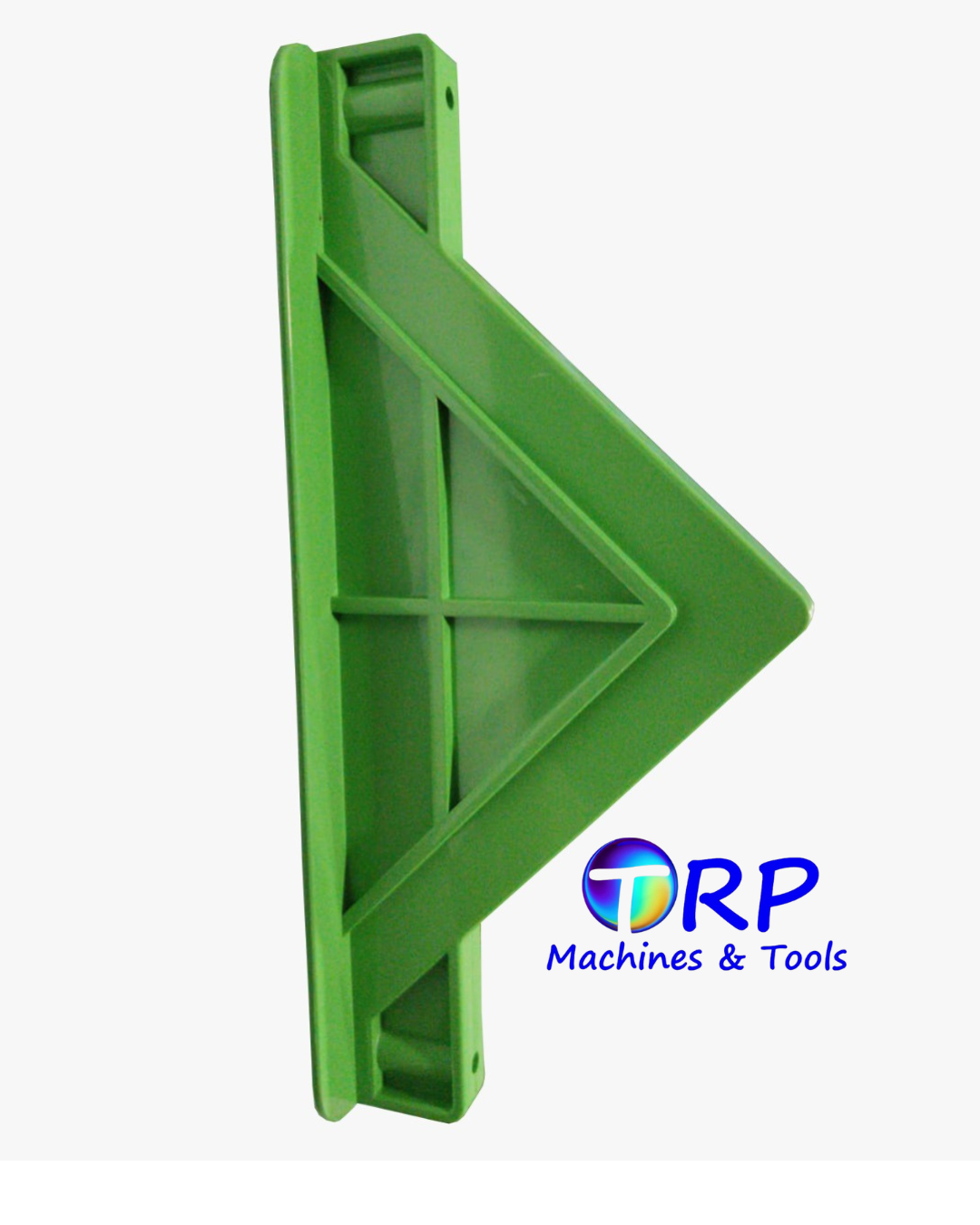
The selection of appropriate Diamond Dowel Plate Size is essential for ensuring good load transfer and proper performance of the concrete floor. Diamond dowels help transfer vertical loads at the construction joints, while at the same time permitting horizontal movement due to concrete shrinkage and changes in temperature. This feature makes them very useful for use in industrial floors, warehouses, factories, logistic centers, commercial buildings, and any other heavy concrete structures. Diamond Dowel Plate & Sleeve Systems are produced by TRP Machines & Tools. Custom sizes can be developed depending on the requirements of the project.
What Is a Diamond Dowel Plate?
The diamond dowel plate is an innovative steel load-transfer assembly that has been developed for use in the joints of concrete construction. The design consists of a diamond dowel plate which works in tandem with a unique sleeve to facilitate load transfer between adjacent concrete slabs in a way that allows controlled horizontal displacement.
The diamond shape of the dowel plate has been specifically designed for the transfer of vertical loads and minimized resistance to horizontal displacement of the slabs.
Why Is The Diamond Dowel Plate Size Important?
The Diamond Dowel Plate Size has a direct impact on the performance of the load transfer mechanism. The plate, which is not the right size for the project, might fail to distribute loads through the joint properly.
There are various reasons why one might select the size of the plate. These include:
- Concrete slab depth
- Load from wheels and other equipment
- Joint design and distance
- Application of concrete floors
- Traffic loading
- Movement allowance horizontally
- Engineering drawings of the project
Therefore, contractors and engineers need to use the appropriate plate sizes depending on the application of the flooring.
Factors to Consider When Selecting Diamond Dowel Plate Size
1. Concrete Slab Thickness
Slab thickness is one of the primary considerations when selecting a dowel plate system. The plate dimensions should be compatible with the concrete section and installation arrangement.
For thicker industrial slabs carrying heavy loads, the required system configuration can differ from that used for lighter commercial flooring. Project drawings should therefore be reviewed before finalizing the product.
2. Load Requirements
Concrete floors in warehouses and manufacturing facilities may experience continuous movement from forklifts, pallet trucks, AGVs, machinery, storage equipment, and other vehicles.
A suitable Diamond Dowel Plate Size should provide efficient vertical load transfer between adjoining slabs. Correct sizing helps distribute loads across the construction joint and reduces excessive stress around the joint edges.
3. Horizontal Slab Movement
Concrete naturally experiences dimensional changes because of shrinkage and temperature variations. The dowel plate and sleeve arrangement allows horizontal movement while continuing to provide vertical load transfer.
The selected system should therefore work with the expected movement of the concrete floor. Proper alignment and installation are also important for maintaining the intended performance of the system.
4. Joint Design
The construction joint layout also affects the selection of the dowel system. Engineers should consider joint location, slab dimensions, concrete thickness, and expected loading before specifying the plate.
A properly designed system can help maintain joint performance and reduce problems such as joint deterioration, cracking, spalling, and uneven slab movement.
Common Applications of Diamond Dowel Systems
Diamond dowel systems are ideal for many concrete floor applications such as:
- Industrial warehouses
- Manufacturing plants
- Logistics and distribution centers
- Commercial buildings
- Concrete pavements
- Parking structures
- Highly trafficked floors
- Heavy industrial floors
- Infrastructure construction
These concrete floor types are typically subjected to wheel traffic or heavy loading conditions, which makes the load transfer across construction joints very important.
Advantages of Choosing the Right Diameter of the Diamond Dowel Plate
Employing the right size of the system will offer a number of benefits for concrete floors.
Efficient Load Distribution
The steel plate will allow for efficient load distribution between the adjoining slabs.
Lower Risk of Damage of Joints
An effective process of load distribution will lower the risk of excessive loads on joint edges and minimize damage of the joint because of the repeated traffic.
Movement of the Slab
The sleeve will enable horizontal movement of the slab due to the shrinkage and changing temperatures while allowing for vertical loads to be transferred.
Better Floor Functioning
Flooring systems need to function properly under frequent loads. A properly chosen dowel system will help to ensure proper joint performance.
Long-lasting Design
According to TRP Machines & Tools, Diamond Dowel Plate & Sleeve Systems include precisely engineered products and custom sizes of products.
Plate and Sleeve Assembly for Diamond Dowel
The plate and sleeve serve as a load transfer mechanism that works as a team. The steel diamond plate transfers vertical loads, whereas the sleeve allows horizontal movement. When installing the plate and sleeve, accurate placement is necessary during construction of the joint. It is essential because incorrect placement may influence the load transfer process as well as the movement capability of the assembly.
Thus, the whole assembly can offer an effective solution to modern industrial concrete flooring, where both load transfer and movement should be taken into account.
What is the Proper Diamond Dowel Plate Size to Order?
Prior to the ordering process, project management should give relevant technical data to the producer/supplier of diamond dowels, which could be:
- Thickness of concrete slab
- Floor loadings anticipated
- Type of vehicles to use the space
- Location of construction joints
- Project drawings
- Plate size
- Sleeves needed
- Installation conditions
This will assist the producer in recommending an appropriate size of the plate to order.
Installation Requirements
Installation is as critical to success as sizing the product properly. The installation crew must work according to the specifications of the approved design drawings and manufacturer guidelines.
The following points must be kept in mind during installation:
- Joint marking
- Sleeve position
- Plate alignment
- Spacing
- Inspection before concrete placement
- Inspection after concrete placement
Correct installation will assist the system in achieving its required functionality.
Conclusion
Choosing the right Diamond Dowel Plate Size is an essential aspect in the design of a long-lasting concrete floor system. It is determined by the thickness of the slab, type of loading, joint design, movement and other factors. Diamond Dowel Plate & Sleeve Systems are used for load transfer from one slab to another and permit movement of the concrete in horizontal direction, thus making them applicable for warehouses, factories, logistics centers and commercial floors. Diamond Dowel Plate & Sleeve Systems from TRP Machines & Tools come in customized sizes. In order to get the right choice of the product, customers can inform the TRP Machines & Tools experts about their requirements prior to ordering.