

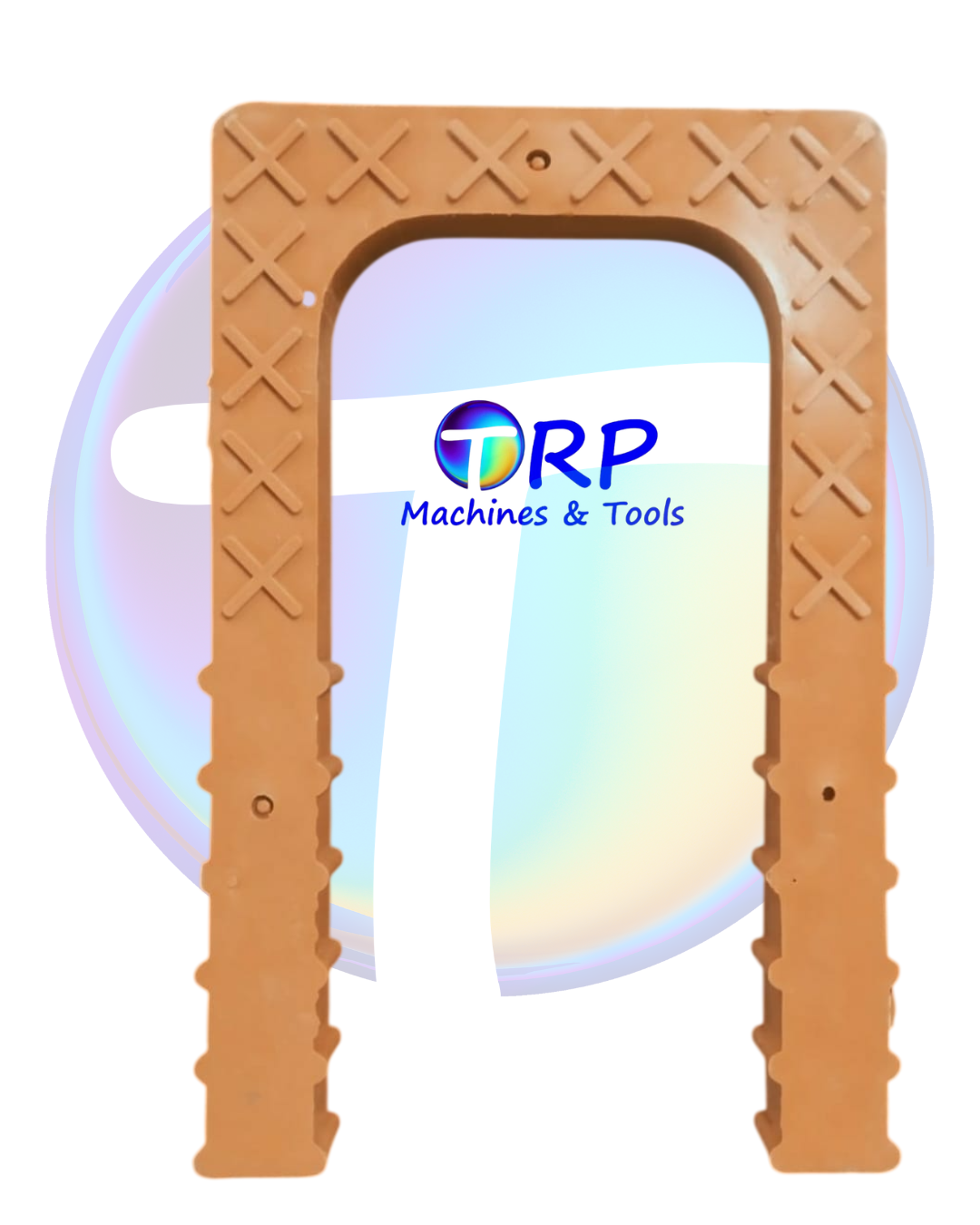
PVC Footstep is an important access component used in manholes, sewerage systems, drainage chambers and underground utility structures. It provides footholds that help workers access the internal sections of chambers during inspection, cleaning, repair and maintenance activities.
PVC footsteps are commonly considered for infrastructure projects where reliable access arrangements are required inside underground structures. Their construction, internal reinforcement, dimensions and anchoring arrangement are important factors when selecting the right product.
Whether you are a civil contractor, infrastructure developer, municipal project buyer or construction material supplier, understanding PVC Footstep specifications helps you make a suitable purchasing decision.
1. What Is a PVC Footstep?
A PVC Footstep is a step-shaped access component installed along the internal wall of a manhole or inspection chamber. It provides individual footholds for workers entering underground structures.
PVC-encapsulated footsteps generally consist of an outer PVC covering combined with an internal supporting structure. The exact internal construction depends on the product design.
These footsteps are installed at specified intervals to create a vertical access arrangement inside chambers.
Common applications include:
- Sewerage manholes
- Drainage inspection chambers
- Underground utility chambers
- Municipal infrastructure projects
- Water supply access structures
- Stormwater drainage networks
- Underground maintenance chambers
2. Types of PVC Footsteps
PVC footsteps are available in different designs depending on the required construction, fixing arrangement and project application.
1. PVC-Encapsulated Footstep
- Features an outer PVC covering around its supporting internal structure.
- Designed for installation inside manholes and inspection chambers.
- The covering provides a protective outer surface.
- Suitable applications depend on its specified dimensions and performance.
2. Reinforced PVC Footstep
- Incorporates an internal supporting component beneath the PVC covering.
- Designed to provide structural support according to the product specification.
- The reinforcement material and construction should be verified before purchasing.
3. PVC Anchor Footstep
- Designed with an anchoring arrangement for fixing into chamber walls.
- Requires suitable embedment and installation according to the product design.
- The fixing arrangement must be compatible with the supporting concrete structure.
The terms PVC footstep, PVC manhole footstep and PVC rung may be used for similar access components. Buyers should compare actual product construction and dimensions rather than relying only on product names.
3. Important Features of PVC Footsteps
When evaluating PVC footsteps for infrastructure projects, consider the following product characteristics:
- PVC Outer Covering: Check the quality, consistency and condition of the outer encapsulation.
- Internal Supporting Structure: Verify the material and construction used inside the footstep.
- Footrest Design: Examine the usable foothold area and overall shape.
- Anchoring Arrangement: Check how the product is designed to connect with the manhole wall.
- Dimensions: Confirm length, width, profile and fixing dimensions.
- Surface Condition: Inspect for cracks, visible damage, uneven covering or manufacturing defects.
- Performance Documentation: Request relevant load-test reports or technical documents where specified.
Product suitability should be assessed against the intended application and project requirements.
4. PVC Footstep Applications in Construction and Infrastructure
PVC footsteps are used in underground structures that require periodic inspection and maintenance access.
Sewerage Systems
PVC footsteps can be installed inside sewer manholes to provide footholds for authorised maintenance personnel.
Drainage Networks
Drainage inspection chambers may use footsteps to provide access for checking blockages, cleaning and maintenance.
Municipal Infrastructure
Municipal underground utility projects may specify PVC footsteps for access inside manholes and service chambers.
Water Supply Structures
Suitable PVC footstep designs may be used in underground water utility access chambers, depending on project specifications.
Stormwater Drainage Systems
They can be incorporated into suitable stormwater inspection and drainage structures where internal access is required.
The product design, installation arrangement and performance requirements should always match the intended application.
5. PVC Footstep Dimensions and Specifications
PVC footstep dimensions vary according to the manufacturer, design and project requirement. There is no single dimension that should be assumed suitable for every manhole or inspection chamber.
Before placing an order, verify:
- Overall footstep length and width.
- Usable foothold dimensions.
- PVC covering thickness and construction.
- Internal supporting material.
- Anchor length and fixing arrangement.
- Required embedment depth.
- Specified load capacity and supporting test documentation.
- Compatibility with the chamber wall thickness and material.
For bulk procurement, buyers should request a product drawing or technical specification sheet to confirm dimensional compatibility before ordering.
6. PVC Footstep vs Conventional Metal Footstep
PVC-encapsulated footsteps and conventional metal footsteps differ in their external construction and material exposure.
PVC Footstep:
- Features a PVC outer covering.
- Has an internal supporting structure depending on the product design.
- Provides an encapsulated external surface.
- Requires inspection of the PVC covering and anchoring arrangement.
Conventional Metal Footstep:
- Generally has exposed metal as its external construction.
- Corrosion protection depends on the material and surface treatment.
- Requires consideration of the surrounding environment and maintenance conditions.
The correct choice depends on project specifications, expected exposure conditions, product construction and documented performance.
7. PVC Footstep Installation Process
Correct installation is essential for the intended use of PVC footsteps. The fixing procedure depends on the product design and the construction of the manhole or chamber wall.
A typical installation process involves:
Step 1: Marking the Installation Positions
Identify the required locations and spacing according to the approved project drawing.
Step 2: Checking the Chamber Wall
Inspect the concrete surface and confirm that it is suitable for the specified fixing arrangement.
Step 3: Preparing the Fixing Points
Prepare the openings or fixing locations according to the manufacturer's installation instructions.
Step 4: Positioning the PVC Footstep
Align the footstep at the required height and orientation.
Step 5: Securing the Anchors
Install the anchoring arrangement using the specified procedure and suitable materials.
Step 6: Final Inspection
Check the alignment, fixing stability and visible condition of the PVC footstep before the chamber is put into service.
Installation should follow the manufacturer's instructions and approved project procedures. Manhole entry must also follow appropriate confined-space safety requirements.
8. Common PVC Footstep Installation Mistakes to Avoid
Incorrect installation can affect the stability and usability of access footsteps.
Common mistakes include:
- Incorrect spacing between consecutive footsteps.
- Poor alignment during installation.
- Insufficient embedment or unsuitable anchoring.
- Installing footsteps in damaged or unsuitable concrete.
- Using products without checking the specified performance requirements.
- Damaging the PVC covering during handling or installation.
- Allowing access before the fixing system is ready for service.
A final inspection should be completed before workers use the installed access system.
9. How to Select the Right PVC Footstep?
Selecting a PVC footstep involves checking the product against the actual site and project requirements.
Consider these factors before purchasing:
- Application: Identify whether the requirement is for a sewer manhole, drainage chamber or underground utility structure.
- Dimensions: Confirm the required length, width and foothold profile.
- Construction: Check the PVC covering and internal supporting arrangement.
- Fixing Type: Verify the anchor design and compatibility with the chamber wall.
- Load Requirement: Match documented product performance with the project specification.
- Installation Method: Confirm the required fixing procedure and embedment.
- Quantity: Calculate the requirement according to chamber depth and approved spacing.
- Documentation: Request technical specifications, drawings and relevant test reports.
Providing these details helps manufacturers and suppliers identify a suitable PVC footstep for the intended application.
10. What Determines PVC Footstep Price?
PVC footstep prices can vary depending on the product's construction, dimensions and order requirements.
Important pricing factors include:
- Overall product dimensions.
- PVC covering and internal supporting material.
- Anchor design and fixing dimensions.
- Manufacturing specifications.
- Required testing and documentation.
- Order quantity and packaging.
- Delivery location and project schedule.
For an accurate quotation, buyers should provide the required dimensions, product design, quantity and intended application.
11. PVC Footstep Manufacturer and Supplier – TRP Machines & Tools
TRP Machines & Tools manufactures and supplies construction and infrastructure-related products for contractors, builders and infrastructure projects.
Its product range includes PVC footsteps and related underground utility access components. Buyers evaluating PVC footsteps should consider dimensions, PVC encapsulation, internal supporting construction and anchoring arrangements according to their project requirements.
For bulk requirements and project-based procurement, sharing the required product dimensions, specifications and application details helps establish the appropriate product requirement.
Frequently Asked Questions About PVC Footsteps
1. What is a PVC footstep used for?
A PVC footstep is installed inside manholes and inspection chambers to provide footholds for workers during authorised inspection, cleaning and maintenance activities.
2. What is a PVC-encapsulated footstep?
It is an access step featuring an outer PVC covering around its supporting internal construction. The internal material and design depend on the manufacturer's specifications.
3. Where are PVC footsteps commonly installed?
PVC footsteps are commonly used in sewer manholes, drainage chambers, inspection chambers and suitable underground utility structures.
4. How are PVC footsteps fixed inside manholes?
They are installed using the anchoring or fixing arrangement specified for the product. The procedure depends on the footstep design and chamber wall construction.
5. What should I check before buying PVC footsteps?
Check dimensions, PVC covering, internal supporting material, anchor arrangement, specified load requirements and compatibility with the intended chamber.
6. Are PVC footsteps suitable for sewer manholes?
They can be specified for sewer manholes when their construction, documented performance and installation arrangement meet the project requirements.
7. What is the difference between PVC footstep and PVC rung?
Both terms are commonly used for underground access components. The actual product dimensions, shape, internal construction and fixing arrangement should be checked.
8. How many PVC footsteps are required for a manhole?
The quantity depends on the chamber depth, approved vertical spacing and project drawings. The required number should be calculated according to the design.
9. What information is required to purchase PVC footsteps in bulk?
Provide the required dimensions, product construction, anchoring arrangement, quantity, application and project specifications.
Conclusion
PVC footsteps are practical access components used in sewerage, drainage and underground utility infrastructure. Their selection requires attention to PVC encapsulation, internal supporting construction, dimensions, anchoring arrangement and specified performance.
For contractors, infrastructure developers and procurement teams, understanding these product details helps in selecting suitable PVC footsteps for manholes and inspection chambers.
Choosing the correct product and following its installation instructions are essential for providing an appropriate access arrangement for underground maintenance operations.