

Modern construction demands reinforcement solutions that deliver strength, reliability, speed, and material efficiency. While reinforcement bars are vital for concrete structures, traditional lap splicing often leads to congestion and increased steel consumption.
Mechanical splicing offers an efficient alternative by connecting reinforcement bars end-to-end, eliminating the need for overlapping.
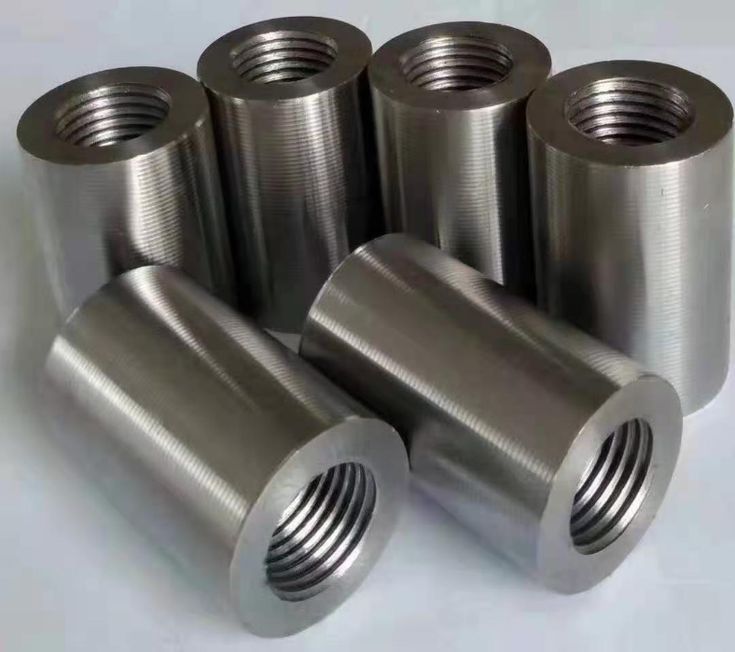
A Rebar Coupler in India is a mechanical connector that joins two reinforcement bars without conventional overlap, simplifying installation, enhancing load transfer, and optimizing construction space.
TRP Machines & Tools supplies high-quality rebar couplers and mechanical splicing systems suitable for residential, commercial, industrial, and infrastructure projects.
What Is a Rebar Coupler?
A Rebar coupler is a mechanical device used to join two reinforcement bars end-to-end without overlapping. Instead of the traditional lap splice, the coupler forms a secure mechanical connection using methods like threading, bolting, push-fit, or other specialized systems.
Mechanical rebar couplers are especially valuable in projects focused on reducing reinforcement congestion, speeding up construction, and maximizing steel efficiency. Selecting the right coupler based on bar size, reinforcement grade, structural needs, and installation method ensures consistent and reliable connections.
For contractors and infrastructure developers, using the appropriate Rebar Coupler in India enhances reinforcement handling and promotes more organized, efficient construction.
Why Are Rebar Couplers Important in Construction?
Traditional lap splicing requires reinforcement bars to overlap over a specified length, which can cause congestion and complicate concrete placement in heavily reinforced structural members.
Mechanical rebar couplers offer an effective alternative with several advantages:
- Reduced reinforcement congestion
- Efficient end-to-end bar connection
- Better utilization of reinforcement steel
- Faster reinforcement installation
- Organized reinforcement arrangement
- Suitable for large construction projects
- Reduced reliance on long lap lengths
- Available for different bar sizes and applications
The actual performance of mechanical connections depends on factors such as coupler design, reinforcement specifications, installation procedures, and project requirements. Therefore, engineers and contractors must select the most appropriate system for each specific application.
Types of Mechanical Rebar Couplers
Different construction projects demand varied connection methods. TRP Machines & Tools provides a range of mechanical splicing solutions tailored for diverse reinforcement applications:
1.Threaded Rebar Coupler
Connects reinforcement bars via prepared threads, offering a controlled mechanical connection. Ideal for projects specifying threaded reinforcement systems.
2.Parallel Thread Coupler
Utilizes precisely prepared parallel threads to ensure consistent and precise reinforcement connections.
3.MBT Coupler
Employs mechanical locking bolts to join bars, suitable when conventional threading or extensive bar-end preparation is not preferred.
4.Push-Fit Rebar Coupler
Designed for easy handling and quick installation, offering a practical connection for compatible reinforcement setups.
5.Grouted and Reducer Couplers
Specialized couplers used based on structural design, bar sizes, connection needs, and installation conditions.
Each type supports efficient and reliable reinforcement connections tailored to specific project requirements.
How Does a Rebar Coupler Work?
The installation process varies depending on the type of mechanical coupler used. For threaded systems, reinforcement bars usually require proper end preparation before coupling.
A typical installation process includes:
- Cutting reinforcement bars to the required length
- Preparing bar ends according to the coupling system specifications
- Threading or forming bar ends if needed
- Cleaning and inspecting the connection area
- Installing the coupler onto the first reinforcement bar
- Connecting the second reinforcement bar
- Tightening or securing the connection following manufacturer guidelines
- Inspecting the completed connection before proceeding with construction
Installation steps differ between threaded, bolted, push-fit, and grouted systems, making it essential to follow the manufacturer’s instructions carefully for each specific type.
Benefits of Choosing Mechanical Rebar Splicing
Mechanical rebar splicing provides several practical advantages for modern construction projects. By connecting reinforcement bars end-to-end, it helps reduce unnecessary overlapping, resulting in more organized reinforcement arrangements and less congestion.
Flexibility is another key benefit, as various coupler designs—such as threaded, bolted, push-fit, and specialized systems—can suit different construction needs and project specifications.
For large infrastructure projects, the right Mechanical Rebar Coupler can accelerate reinforcement installation, thereby enhancing site productivity and efficiency.
However, engineers must carefully assess project-specific design requirements to select the most appropriate mechanical splicing system.
Why Choose TRP Machines & Tools?
Based in Mumbai, Maharashtra, TRP Machines & Tools is a trusted supplier of construction machinery, rebar processing equipment, reinforcement products, and construction accessories serving customers across India and international markets.
The company offers a comprehensive range of rebar couplers and mechanical splicing systems, alongside essential equipment like rebar threading and cold forging machines.
TRP Machines & Tools stands out by providing:
- Technical consultation to help select the right products
- Strict quality assurance and in-house manufacturing
- Expert installation support and coordination
- Reliable Pan-India and international delivery
For those seeking a Rebar Coupler in India, TRP’s technical guidance ensures the right coupler type, bar size, connection method, and application are chosen to meet specific project needs.
How to Select the Right Rebar Coupler
When choosing a mechanical coupler, consider these key factors:
- Bar Diameter and Grade
- Ensure the coupler is compatible with the reinforcement bar’s diameter and grade.
- Connection Type
- Identify if the project requires a threaded, bolted, push-fit, grouted, or other type of mechanical connection.
- Project Application
- Determine the application—whether for a building, bridge, metro, tunnel, industrial structure, or other infrastructure.
- Installation Requirements
- Assess the necessary tools, equipment, bar preparation, tightening procedures, and site conditions for proper installation.
- Quality and Technical Support
- Select a supplier who offers detailed product information, technical guidance, and reliable support tailored to the project.
Conclusion
A Rebar Coupler in India offers a viable mechanical method for joining reinforcing bars in modern reinforced concrete construction works. Mechanical coupling may be advantageous in comparison to conventional lap splicing in that it may offer reduced bar congestion, better steel efficiency, and convenient installation. Depending on the particular reinforcement design and construction needs, the right option among the various mechanical rebar couplers ranges from threaded couplers and parallel threads couplers to MBT, push-fit, grouted and reducers couplers. TRP Machines & Tools provide mechanical rebar coupling systems as well as technical assistance in India. In conclusion, contractors, builders, infrastructure developers and engineers seeking a reliable Rebar Coupler in India would do well to choose the right mechanical splicing system.