
Bull Float: Complete Guide to Concrete Surface Finishing
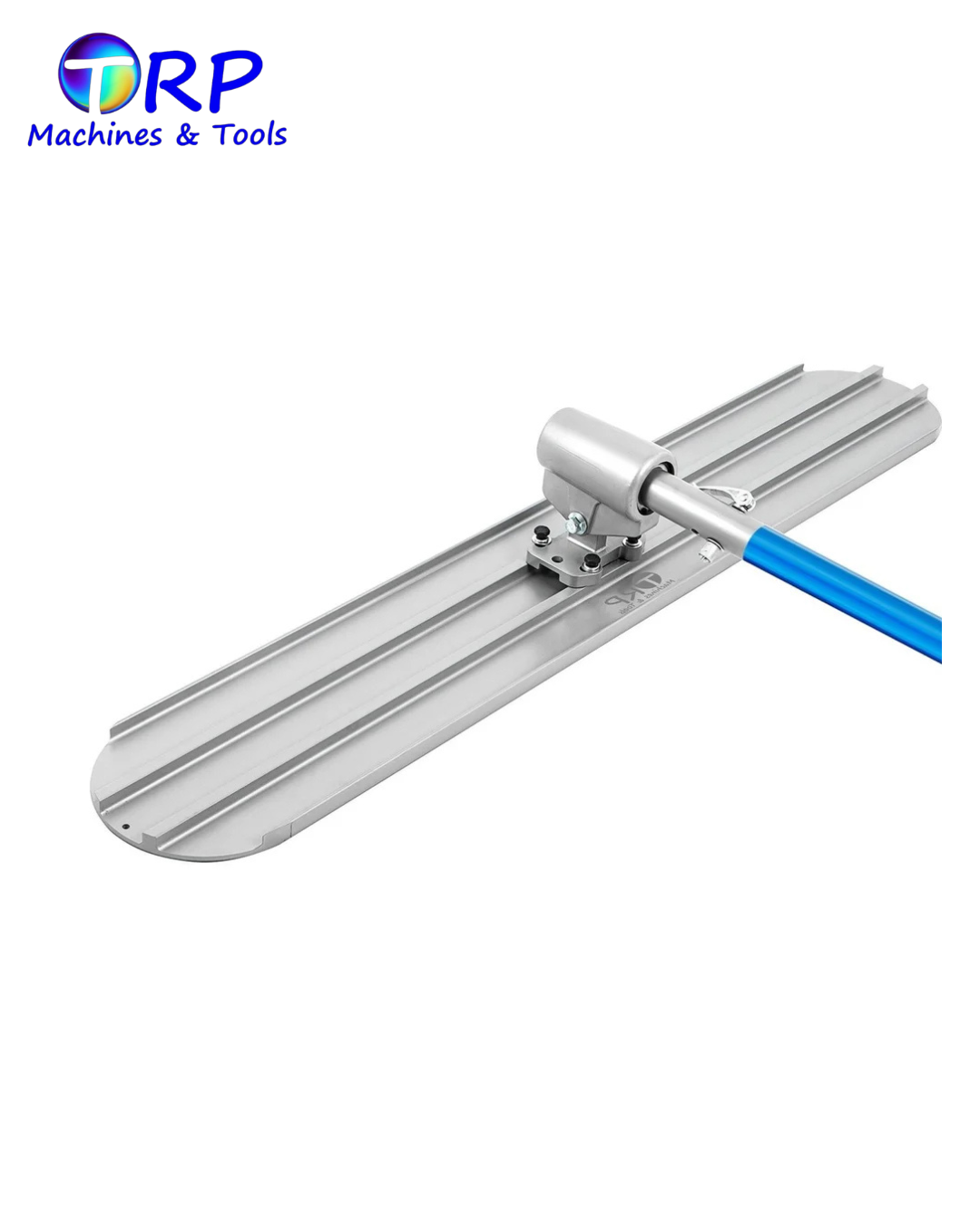
A Bull Float is a long-handled concrete finishing tool used to level, smooth, and consolidate the surface of freshly placed concrete. It is commonly used during concrete slab, floor, road, pavement, and other RCC construction work.
REV A
01Overview
Bull floating is generally carried out after concrete has been placed and screeded, helping close the surface and remove minor ridges or irregularities before subsequent finishing operations.
02What Is a Bull Float?
A Bull Float consists of a large, flat rectangular or slightly rounded blade attached to a long handle. The blade is pushed or pulled across freshly placed concrete to improve the surface profile.
It is commonly used for:
- Concrete slabs
- RCC floors
- Industrial floors
- Concrete pavements
- PQC works
- Foundations
- Driveways
- Large floor areas
- Construction sites
03Why Is a Bull Float Used in Concrete?
After concrete is placed and screeded, the surface may contain small ridges, uneven areas, or aggregate protrusions.
Bull floating helps:
- Level minor surface irregularities
- Smooth freshly placed concrete
- Embed larger aggregate particles
- Close the surface
- Improve surface uniformity
- Prepare the concrete for subsequent finishing
04How Does a Bull Float Work?
The basic bull floating process involves moving the large blade across the concrete surface using the long handle.
051. Place the Concrete
Concrete is poured and distributed over the required area.
062. Screed the Surface
A screed is used to establish the required level and remove major high and low spots.
073. Start Bull Floating
The bull float is moved across the surface while the concrete is still workable.
084. Maintain the Correct Blade Angle
The blade should generally remain relatively flat against the concrete to avoid unnecessarily bringing excess cement paste and water to the surface.
095. Work Systematically
The operator works across the slab in overlapping passes to achieve a relatively uniform surface.
106. Continue With Subsequent Finishing
Once the required initial finishing is achieved, other operations such as edging, troweling, broom texturing, or other specified finishing methods can follow.
11What Is the Difference Between a Bull Float and a Concrete Screed?
Although both are used during concrete finishing, they perform different functions.
12Bull Float
- Used after initial screeding
- Smooths and levels minor irregularities
- Helps embed coarse aggregate
- Covers relatively large surface areas
- Uses a large flat blade
13Concrete Screed
- Used to establish the initial concrete level
- Removes major high and low areas
- Strikes off excess concrete
- Establishes the required elevation
A typical sequence is:
14Large Surface Coverage
The wide blade allows the operator to work over a comparatively large area.
15Improved Surface Uniformity
Bull floating helps remove minor irregularities left after screeding.
16Reduced Manual Finishing
The long handle allows the operator to work from outside or closer to the slab edge without walking directly over freshly placed concrete.
17Aggregate Embedding
Correct bull floating can help push coarse aggregate slightly below the surface.
18Suitable for Large Concrete Areas
Bull floats are particularly useful for slabs, floors, pavements, and other large concrete surfaces.
19Where Is a Bull Float Used?
Bull floats are commonly used in:
- RCC slab construction
- Concrete floor construction
- Industrial flooring
- Warehouse floors
- Parking areas
- Concrete pavements
- PQC construction
- Foundations
- Roads
- Bridges
- Commercial buildings
- Residential construction
- Infrastructure projects
20Bull Float for PQC and Concrete Pavement
In concrete pavement construction, surface finishing needs to be controlled carefully.
A bull float may be used as part of the finishing process to correct minor surface irregularities after screeding.
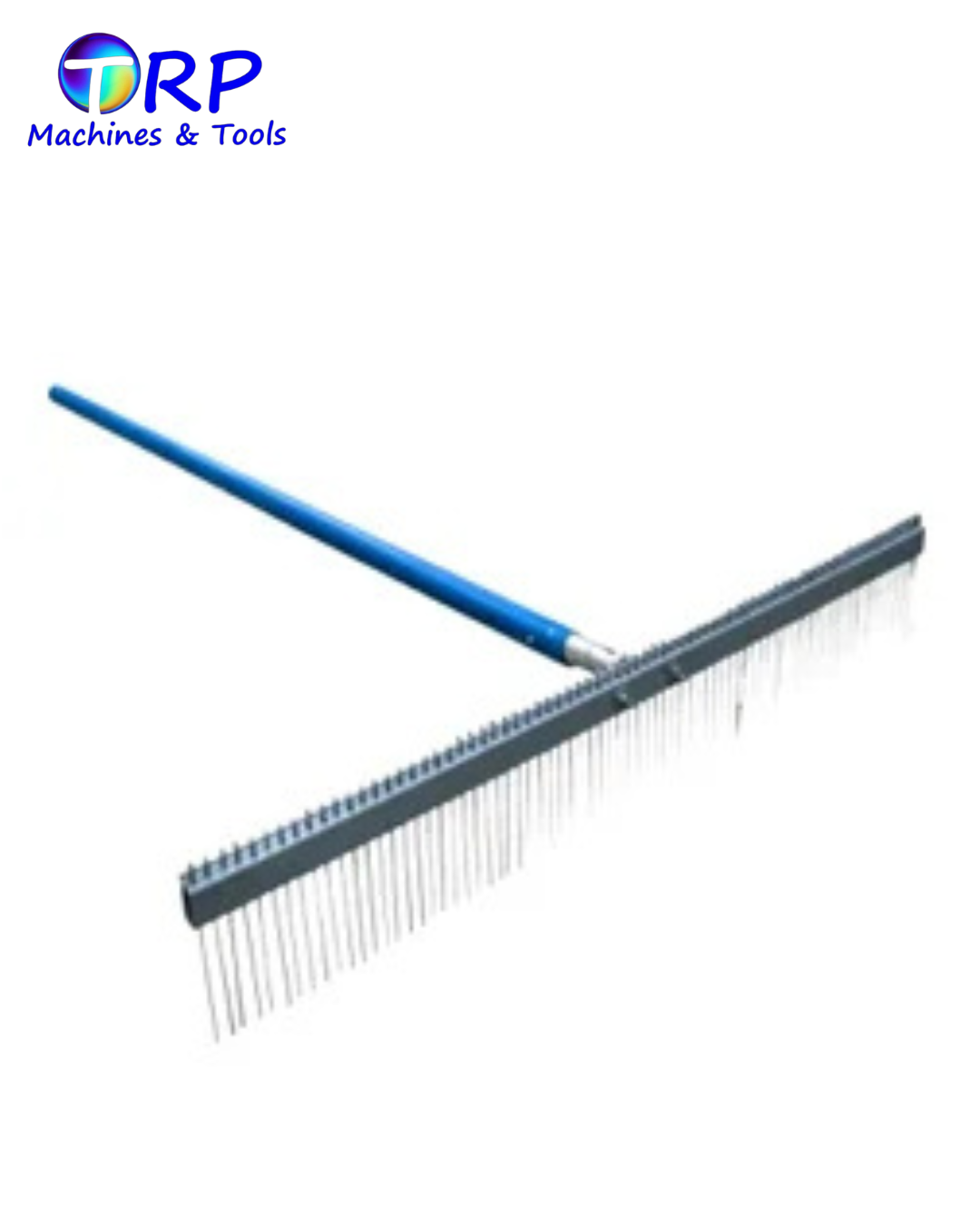
For PQC (Pavement Quality Concrete), the final surface treatment must follow the project specification. Where texturing is required, a PQC texturing brush may be used after the appropriate finishing stage.
The workflow can be:
21What Is a Magnesium Bull Float?
A magnesium bull float is a bull float with a magnesium alloy blade.
Magnesium blades are widely used because they are lightweight compared with many traditional metal alternatives while providing suitable stiffness and durability for concrete finishing applications.
Common search terms include:
- Magnesium Bull Float
- Magnesium Concrete Float
- Magnesium Bull Float for Concrete
- Concrete Magnesium Float
- Long Handle Magnesium Float
22What Is an Aluminium Bull Float?
An aluminium bull float uses an aluminium blade and is designed for large-area concrete finishing.
It provides a lightweight alternative for operators who need to work across large slabs and floors.
23Bull Float
- Long handle
- Large blade
- Designed for large concrete surfaces
- Operator can work from outside the slab
- Suitable for slabs and pavements
24Hand Float
- Short handle
- Smaller blade
- Designed for localized finishing
- Used where greater control is required
- Suitable for edges and smaller areas
25Bull Float
- Manual operation
- Used during early concrete finishing
- Large surface coverage
- Helps correct minor surface irregularities
26Power Trowel
- Machine-operated
- Used during later finishing stages
- Produces a more refined/troweled surface
- Commonly used for large industrial floors
A power trowel does not simply replace a bull float because the tools perform different functions and are used at different stages of concrete finishing.
27How to Use a Bull Float Correctly?
Good technique is important for achieving a uniform surface.
- Begin at the appropriate stage after screeding.
- Keep the blade relatively flat.
- Avoid excessive pressure.
- Work in controlled overlapping passes.
- Avoid repeatedly working the same area unnecessarily.
- Do not overwork the concrete surface.
- Follow the concrete mix and project finishing requirements.
- Clean the blade after use.
28What Happens If Concrete Is Overworked?
Excessive finishing can disturb the concrete surface and may bring excessive water and cement paste toward the surface.
Potential problems can include:
- Weak surface layer
- Surface defects
- Increased finishing marks
- Non-uniform texture
- Poor final surface characteristics
Therefore, bull floating should be performed at the correct stage and with controlled movement.
29Bull Float Technical Specifications
Specifications vary according to manufacturer and model.
Typical specification parameters include:
- Product: Bull Float
- Application: Fresh Concrete Finishing
- Primary Use: Leveling and Surface Finishing
- Blade Material: Magnesium / Aluminium / Other suitable material
- Handle: Long Handle
- Operation: Manual
- Application: Concrete Slabs, Floors, Pavements and PQC
- Blade Width: Product dependent
- Blade Length: Product dependent
- Handle Length: Product dependent
For procurement, exact dimensions, blade thickness, handle type, weight, and material should be confirmed from the product datasheet.
30How to Maintain a Bull Float?
Proper maintenance helps extend the working life of the tool.
31After Every Use
- Remove concrete residue immediately.
- Wash the blade with clean water.
- Do not allow concrete to harden on the blade.
- Dry the tool properly.
- Inspect the blade for damage.
- Check the handle connection.
- Store the float in a dry and protected area.
32Frequently Asked Questions
What is a bull float?
A bull float is a long-handled concrete finishing tool used to level, smooth, and improve the surface of freshly placed concrete.
What is a bull float used for?
It is used to correct minor surface irregularities after screeding and help embed coarse aggregate slightly below the concrete surface.
When should a bull float be used?
It is generally used after the concrete has been placed and screeded, while the concrete is still workable.
What is a magnesium bull float?
A magnesium bull float has a magnesium alloy blade and is commonly used for concrete finishing because it combines relatively low weight with suitable rigidity.
Can a bull float be used for PQC?
Yes, a bull float can be part of the concrete finishing process for PQC, subject to the project's approved finishing procedure.
Is a bull float the same as a trowel?
No. A bull float is generally used during an earlier finishing stage, while a trowel is used for more detailed or final surface finishing.
33Conclusion
A Bull Float is a basic but important tool in concrete surface finishing. Its large blade and long handle make it suitable for working across slabs, floors, pavements, and other large concrete surfaces.
When used at the correct stage and with controlled technique, bull floating helps establish a more uniform concrete surface before subsequent finishing, texturing, and curing operations.
34SEO Keywords
Bull Float, Concrete Bull Float, Bull Float for Concrete, Magnesium Bull Float, Aluminium Bull Float, Concrete Finishing Bull Float, Concrete Float, Bull Float Concrete Finishing Tool, Long Handle Bull Float, Concrete Surface Finishing Tool, Concrete Slab Bull Float, Concrete Floor Bull Float, PQC Bull Float, Concrete Pavement Bull Float, Road Concrete Finishing Tool, Concrete Finishing Tool, Concrete Float Tool, Magnesium Concrete Float, Magnesium Bull Float India, Bull Float India, Concrete Bull Float India, Bull Float for PQC, Bull Float for Concrete Slab, Bull Float for Industrial Flooring, Concrete Finishing Equipment, Concrete Surface Finishing Equipment, Concrete Construction Tools, Concrete Flooring Tools, PQC Finishing Tools, Concrete Pavement Finishing Tools.