

Diamond Dowel Plate & Sleeve System: Complete Guide
Learn everything about Diamond Dowel Plate & Sleeve Systems, including their working principle, benefits, applications, technical specifications, installation process, FAQs, and why TRP Machines & Tools provides premium load transfer systems for industrial concrete floors.
REV A
01Overview
Modern industrial floors, warehouses, logistics centers, manufacturing plants, and commercial concrete pavements are designed to carry heavy wheel loads while maintaining a smooth and durable surface. One of the biggest challenges in concrete slab construction is ensuring proper load transfer across construction joints without restricting natural slab movement.
A Diamond Dowel Plate & Sleeve System is an advanced load transfer system specifically designed to transfer vertical loads between adjacent concrete slabs while allowing unrestricted horizontal movement caused by concrete shrinkage and thermal expansion.
Unlike traditional round dowel bars, the diamond-shaped dowel system eliminates restraint, minimizes random cracking, reduces joint deterioration, and significantly improves the service life of industrial concrete floors.
Also known as a Diamond Dowel System, Diamond Dowel Plate, Diamond Dowel Sleeve, Concrete Load Transfer System, Slab Load Transfer Plate, Construction Joint Dowel System, Industrial Floor Dowel Plate, or Diamond Plate Dowel System, it has become the preferred solution for modern industrial flooring projects worldwide.
TRP Machines & Tools, Mumbai, Maharashtra, India, manufactures precision-engineered Diamond Dowel Plate & Sleeve Systems that deliver accurate load transfer, superior joint performance, and long-term durability for industrial and infrastructure projects.
02Quick Answer
A Diamond Dowel Plate & Sleeve System is a steel load transfer device installed across construction joints in concrete slabs. It transfers vertical wheel loads between adjacent slabs while allowing horizontal movement caused by concrete shrinkage and temperature changes, preventing joint damage, cracking, and uneven floor settlement.
03What is a Diamond Dowel Plate & Sleeve System?
A Diamond Dowel Plate & Sleeve System is a precision-engineered steel load transfer assembly consisting of a diamond-shaped steel plate and a matching plastic sleeve.
The steel dowel plate is partially embedded into one concrete slab while the sleeve is cast into the adjacent slab. Together, they transfer vertical loads across the construction joint while permitting horizontal movement as the concrete expands and contracts naturally.
This unique design reduces restraint within the concrete and significantly lowers the risk of joint cracking and slab edge failure.
04Why is Load Transfer Important?
When vehicles such as forklifts, pallet trucks, AGVs, or heavy industrial equipment move across concrete joints, the wheel load should be distributed evenly between adjoining slabs.
Without an efficient load transfer system, problems such as:
- Joint faulting
- Slab rocking
- Edge cracking
- Differential settlement
- Surface spalling
- Uneven floors
- Increased maintenance costs
- Reduced floor lifespan
may occur.
A Diamond Dowel System ensures that these wheel loads are transferred safely while allowing concrete movement.
05How Does a Diamond Dowel System Work?
The system works by combining rigid vertical load transfer with free horizontal movement.
- 01Positioning the SleeveThe plastic sleeve is fixed accurately along the construction joint before concrete placement.
- 02Installing the Diamond PlateThe diamond-shaped steel plate is inserted into the sleeve and aligned correctly.
- 03Concrete PlacementConcrete is poured on both sides of the construction joint, embedding the dowel assembly securely.
- 04Concrete ShrinkageAs the concrete cures, slabs naturally shrink and move away from each other.
- 05Horizontal MovementThe specially designed sleeve allows the steel plate to slide horizontally, preventing restraint.
- 06Vertical Load TransferWhen heavy vehicles cross the joint, the steel plate transfers the vertical load evenly between adjacent slabs, minimizing stress concentration and joint damage.
06Why Do Concrete Slabs Crack at Construction Joints?
Concrete undergoes volume changes due to:
- Drying shrinkage
- Thermal expansion
- Thermal contraction
- Moisture variation
- Heavy wheel loading
- Poor joint detailing
- Inadequate load transfer
If joints are restrained, tensile stresses develop, leading to random cracking and premature floor failure.
Diamond Dowel Systems eliminate this restraint while maintaining structural performance.
07Diamond Dowel Plate vs Traditional Round Dowel Bars
Traditional round dowel bars often restrain slab movement because they permit movement primarily in one direction.
Diamond Dowel Systems provide:
- Free horizontal movement
- Better load transfer
- Reduced restraint
- Lower cracking risk
- Improved joint alignment
- Longer floor life
- Easier installation
- Better overall floor performance
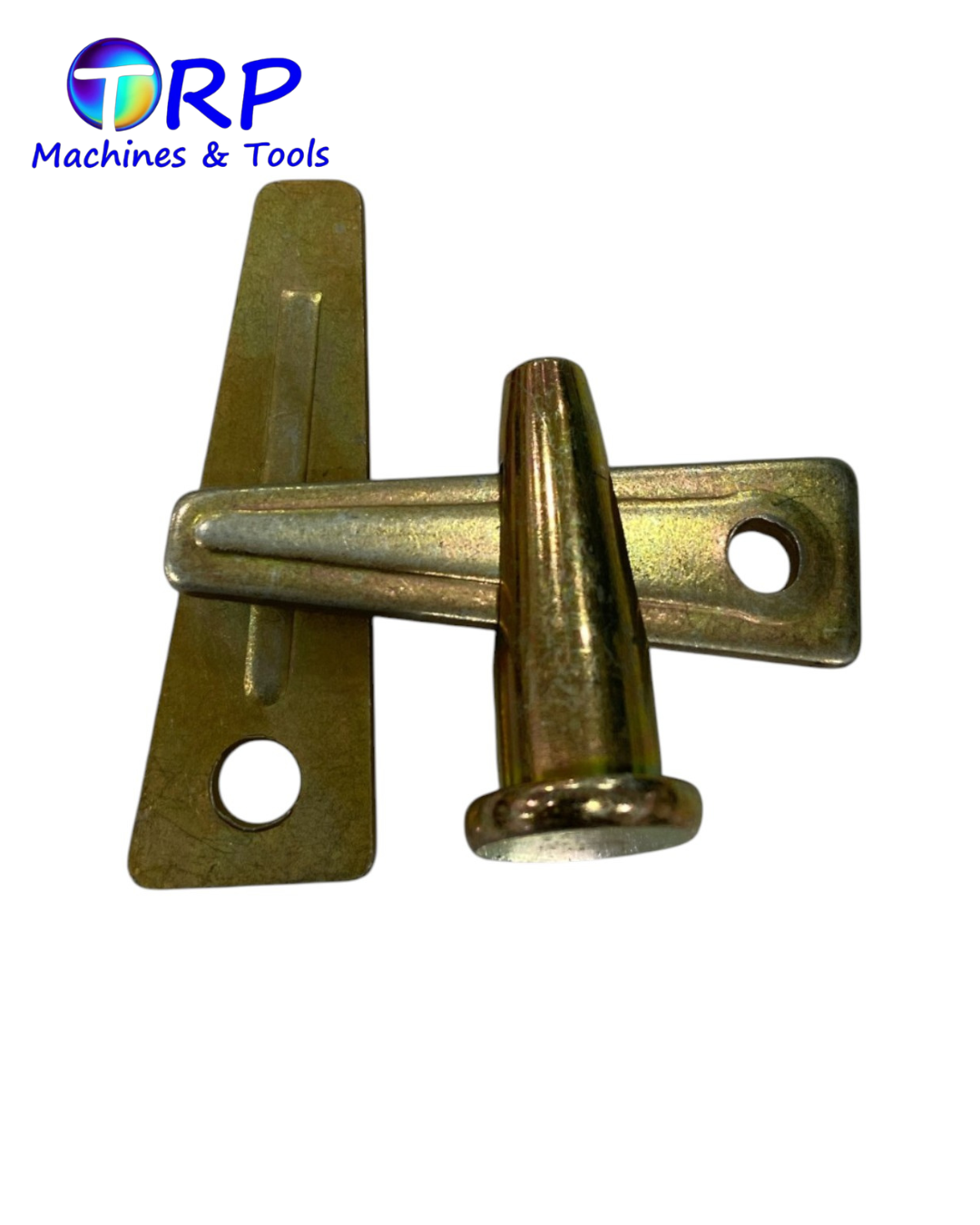
08Diamond Steel Plate
Manufactured from high-strength steel for efficient load transfer and long service life.
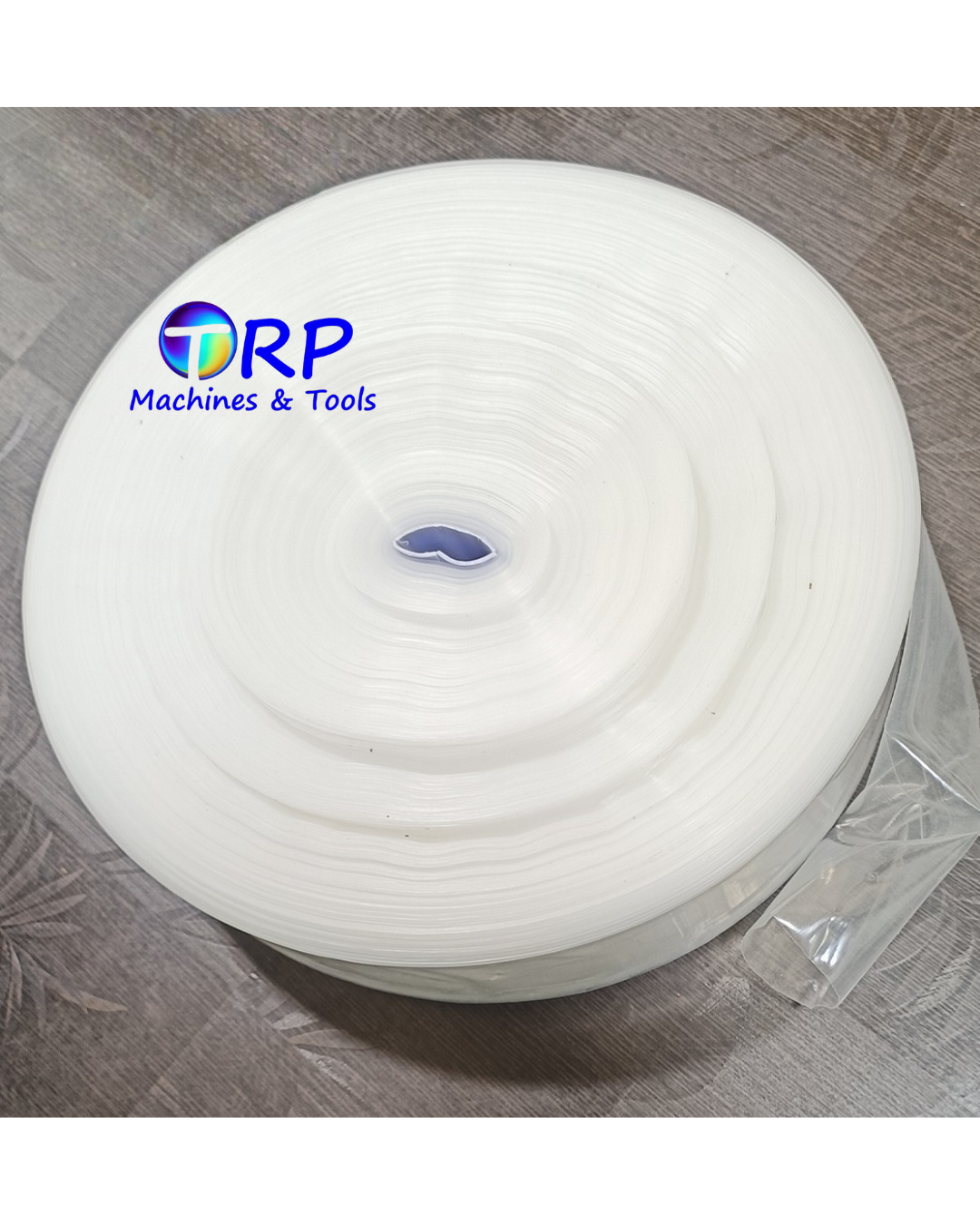
09Plastic Sleeve
Designed to accommodate slab movement while maintaining precise dowel alignment.
10Installation Assembly
Ensures accurate positioning during concrete placement for reliable joint performance.
11Why is the Diamond Shape Better?
The diamond geometry allows:
- Controlled horizontal movement
- Excellent vertical load transfer
- Reduced restraint
- Uniform stress distribution
- Better joint durability
- Improved floor performance
- Lower maintenance costs
12Key Features
- High-strength steel dowel plate
- Precision-moulded sleeve
- Diamond-shaped load transfer plate
- Excellent load distribution
- Allows slab movement
- Prevents joint locking
- Corrosion-resistant options
- Easy installation
- Heavy-duty construction
- Accurate alignment
- Long service life
- Low maintenance
13Structural Benefits
- Efficient load transfer
- Prevents joint cracking
- Reduces slab rocking
- Minimizes differential settlement
- Protects slab edges
14Operational Benefits
- Smooth forklift movement
- Better ride quality
- Reduced equipment vibration
- Improved warehouse efficiency
- Enhanced floor durability
15Financial Benefits
- Reduced maintenance costs
- Fewer floor repairs
- Longer service life
- Lower lifecycle cost
- Better return on investment
16Technical Specifications
- Product Type: Diamond Dowel Plate & Sleeve System
- Application: Load Transfer Across Construction Joints
- Plate Material: High-Strength Steel
- Sleeve Material: High-Quality Polymer
- Shape: Diamond
- Installation: Cast into Concrete Slabs
- Movement: Horizontal Movement with Vertical Load Transfer
- Corrosion Resistance: Optional Galvanized Finish
- Maintenance: Low
- Service Life: Long
17Installation Process
- 01Step 1Mark the construction joint location.
- 02Step 2Secure the sleeve assembly accurately.
- 03Step 3Insert the diamond dowel plate.
- 04Step 4Check alignment.
- 05Step 5Pour concrete.
- 06Step 6Allow proper curing before traffic loading.
Correct installation ensures maximum load transfer and joint performance.
18Applications
Diamond Dowel Plate & Sleeve Systems are widely used in:
- Industrial Floors
- Warehouses
- Logistics Parks
- Distribution Centers
- Manufacturing Plants
- Automobile Plants
- Cold Storage Facilities
- Food Processing Units
- Pharmaceutical Plants
- Airports
- Cargo Terminals
- Container Yards
- Concrete Pavements
- Heavy-Duty Slabs
- Industrial Buildings
- Parking Structures
- Commercial Floors
- Smart Industrial Parks
19Industries Served
- Construction Industry
- Industrial Flooring
- Warehousing & Logistics
- Manufacturing Industry
- Automotive Industry
- Pharmaceutical Industry
- Food Processing Industry
- Commercial Construction
- Infrastructure Development
- EPC Contractors
- Industrial Developers
20Maintenance Tips
- Inspect construction joints periodically.
- Keep joints clean and free of debris.
- Repair damaged joint sealants promptly.
- Monitor heavy traffic areas.
- Follow recommended floor maintenance practices.
21Buying Guide
Before purchasing a Diamond Dowel System, consider:
- Floor loading requirements
- Slab thickness
- Expected joint movement
- Plate dimensions
- Steel quality
- Sleeve quality
- Manufacturing precision
- Installation support
- Compliance with project specifications
- Supplier reliability
22Why Choose TRP Machines & Tools?
TRP Machines & Tools manufactures premium-quality Diamond Dowel Plate & Sleeve Systems engineered for high-performance industrial flooring and concrete pavement applications.
23Why Customers Choose TRP Machines & Tools
- High-strength steel construction
- Precision-engineered sleeves
- Excellent load transfer efficiency
- Heavy-duty performance
- Accurate dimensional tolerance
- Long service life
- Competitive pricing
- Bulk supply capability
- Pan India delivery
- Technical support
- Trusted by contractors, flooring specialists, infrastructure developers, and industrial builders
24Frequently Asked Questions
What is a Diamond Dowel Plate & Sleeve System?
It is a load transfer system installed across construction joints to transfer vertical loads while allowing horizontal slab movement.
Why are Diamond Dowels used instead of round dowels?
Diamond Dowels permit unrestricted horizontal movement while maintaining excellent load transfer, reducing restraint and minimizing cracking.
Where are Diamond Dowel Systems installed?
They are commonly used in warehouses, factories, logistics centers, industrial floors, concrete pavements, airports, parking structures, and commercial buildings.
Can Diamond Dowel Systems handle heavy forklift traffic?
Yes. They are specifically designed to support heavy industrial traffic while maintaining joint integrity.
Does the sleeve allow slab movement?
Yes. The precision-engineered sleeve allows the dowel plate to move horizontally, accommodating concrete shrinkage and thermal movement without compromising load transfer.
25Conclusion
A Diamond Dowel Plate & Sleeve System is one of the most effective solutions for ensuring proper load transfer across concrete construction joints while allowing natural slab movement. It reduces joint deterioration, minimizes cracking, improves ride quality, and extends the lifespan of industrial floors.
Whether you are constructing warehouses, logistics hubs, factories, airports, parking structures, or industrial facilities, TRP Machines & Tools offers precision-engineered Diamond Dowel Plate & Sleeve Systems that deliver long-term durability, structural reliability, and superior floor performance.
Diamond Dowel Plate & Sleeve System
- Diamond Dowel Plate
- Diamond Dowel Sleeve
- Diamond Dowel System
- Concrete Load Transfer System
- Load Transfer Plate
- Construction Joint Dowel
- Industrial Floor Dowel
- Slab Load Transfer System
- Concrete Joint Dowel Plate
- Floor Load Transfer System
- Best Diamond Dowel Plate Manufacturer in India
- Diamond Dowel Plate & Sleeve Supplier
- Load Transfer System for Industrial Floors
- Diamond Dowel for Concrete Slabs
- Diamond Dowel System for Warehouses
- Heavy Duty Diamond Dowel Plate
- Concrete Floor Load Transfer Solution
- Diamond Dowel Joint System India
- Industrial Concrete Joint Load Transfer
- Diamond Dowel Plate for Construction Joints