

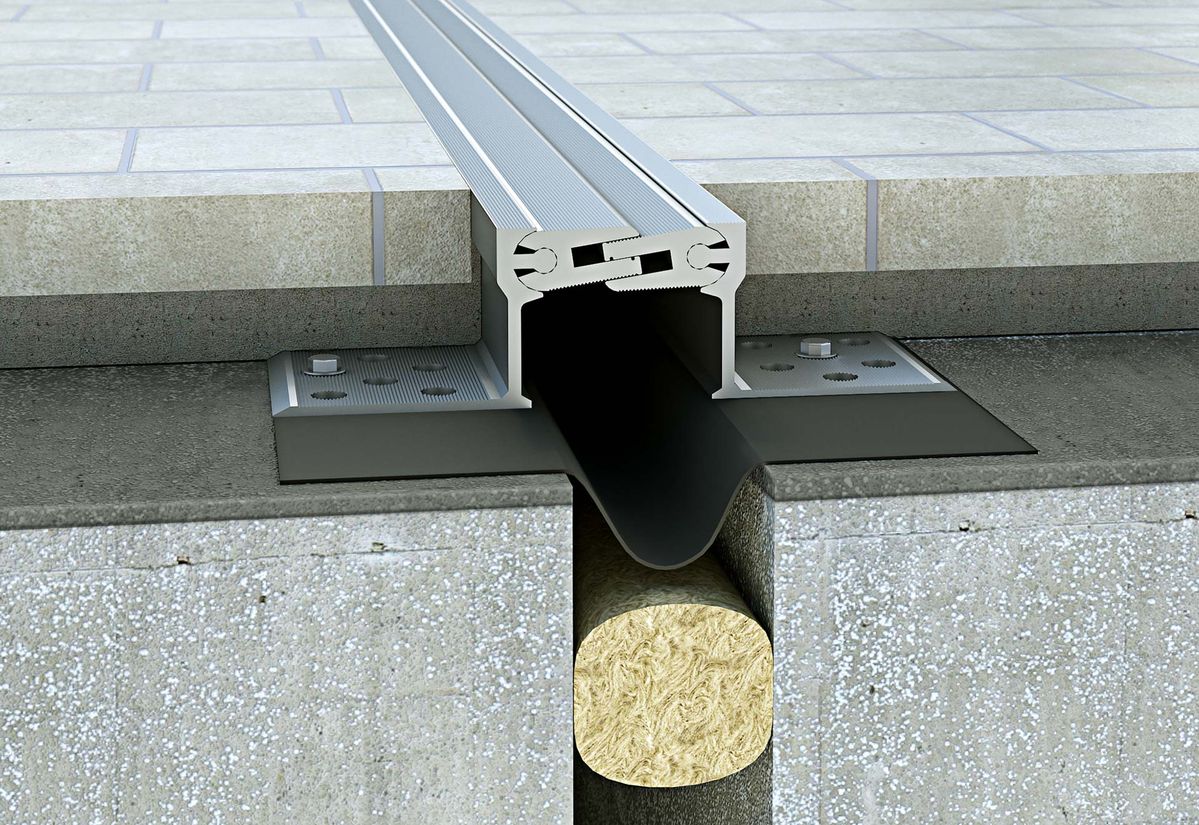
Concrete flooring is widely used in warehouses, factories, commercial buildings, parking areas, industrial plants, logistics centers, and infrastructure projects. While concrete offers excellent strength and durability, large floor slabs naturally move due to temperature fluctuations, drying shrinkage, moisture changes, and structural loading. Without properly planned joints, this movement can cause unwanted cracks and damage.
A Floor Expansion Joint provides a controlled location for concrete sections to accommodate movement. When designed and installed correctly, it helps reduce stress within the floor and protects the overall flooring system. In heavy-duty applications, combining movement control with strong joint-edge protection further enhances floor performance.
What Is a Floor Expansion Joint?
A Floor Expansion Joint is a specially designed gap between sections of concrete flooring that allows for expansion, contraction, and movement. This joint prevents random cracking by creating a controlled separation between concrete slabs. These joints are especially important in large concrete floors where temperature changes and structural shifts cause stress. Various joint profiles and systems are used based on project needs. In industrial settings, expansion joints often include protective elements to shield concrete edges from damage caused by forklifts, vehicles, and heavy equipment.
Why Is a Floor Expansion Joint Important?
A Floor Expansion Joint is crucial because concrete is not dimensionally stable—it expands and contracts with temperature changes and shrinks as moisture evaporates during curing. Large floor areas are particularly vulnerable to these movements.
A well-designed expansion joint provides a planned location for movement, which helps prevent uncontrolled cracking and enhances the floor’s long-term durability.
It’s important to design these joints during the planning phase, considering factors like slab size, concrete properties, expected loads, environmental conditions, and specific movement needs, rather than waiting for cracks to appear.
Key Benefits of Floor Expansion Joints
Accommodates Concrete Movement
Provides space for expected expansion and contraction between concrete sections.
Helps Control Cracking
Reduces stress concentrations by offering a planned movement location, minimizing uncontrolled cracks.
Supports Long-Term Floor Performance
Enhances concrete’s ability to handle temperature changes, shrinkage, and operational loads.
Protects Joint Areas
When combined with protective profiles or systems, it shields joint edges from impact and abrasion.
Suitable for Large Floor Areas
Essential for dividing extensive floors in factories, warehouses, and large facilities into manageable sections.
Applications of Floor Expansion Joints
- Industrial factories
- Warehouses
- Distribution centers
- Commercial buildings
- Shopping facilities
- Parking areas
- Manufacturing plants
- Workshops
- Logistics centers
- Airports
- Cold storage facilities
- Heavy equipment zones
- Infrastructure projects
The appropriate joint type depends on the specific structural and operational needs of each project.
Floor Expansion Joint for Industrial Flooring
Industrial floors endure tough conditions with frequent traffic from forklifts, pallet trucks, heavy machinery, and other equipment. A well-designed Floor Expansion Joint manages concrete movement, while a suitable joint protection profile safeguards concrete edges from repeated impacts. This is vital for ensuring floor durability and smooth traffic flow in facilities like warehouses and logistics centers.
Damaged joints can disrupt vehicle movement and increase maintenance needs, so joint planning is essential in industrial floor construction.
Difference Between Expansion Joints and Construction Joints
- Construction Joint: Formed where concrete placement stops and later resumes during construction.
- Expansion Joint: Specifically designed to allow movement between adjacent concrete sections.
The choice and arrangement of joints rely on the floor design and construction sequence. Some systems combine structural separation, movement accommodation, and edge protection.
Engineers and contractors should select the appropriate joint type based on project drawings and technical specifications to ensure optimal performance.
Floor Expansion Joint and Armour Joint
- A Floor Expansion Joint primarily allows for movement between concrete sections.
- An Armour Joint provides extra protection to the exposed edges of the concrete joint.
- In heavy-duty industrial floors, these work together: the expansion joint accommodates movement, while the armour joint protects edges from damage caused by repeated wheel loads and impacts.
- This combination is especially beneficial in warehouses, factories, loading areas, manufacturing facilities, and logistics centers.
Installation of Floor Expansion Joint
- Proper installation is critical to ensure the joint functions as intended.
- Joint locations should follow the approved floor layout and structural design.
- The joint profile or system must be positioned accurately at the correct elevation.
- During concrete placement, care should be taken to avoid displacement of the joint system. Concrete must be properly placed and compacted around the joint.
- After finishing, inspect the joint for proper alignment and a smooth transition between floor sections.
- Installation steps may vary by product, so contractors should adhere to manufacturer’s technical instructions and project specifications.
Maintenance and Inspection
A properly installed Floor Expansion Joint can provide long-term service, but periodic inspection is essential. Facility owners should regularly check for concrete edge damage, excessive wear, displacement, sealant deterioration, and other visible issues.
In high-traffic areas with forklifts or vehicles, frequent inspections help detect damage early, preventing costly repairs. Keeping the joint area clean and free of debris supports smoother vehicle movement and reduces unnecessary impact on the joint.
Why Choose TRP Machines & Tools?
TRP Machines & Tools offers high-quality construction and infrastructure products tailored to demanding project requirements. Their expertise covers reinforcement, concrete construction, and industrial applications.
When selecting a floor joint system, factors like slab thickness, joint dimensions, loading conditions, installation needs, and operating environment must be considered. TRP Machines & Tools assists customers in understanding these technical aspects and choosing the most suitable solutions for their specific applications.
Conclusion
A Floor Expansion Joint is vital for well-planned concrete flooring, especially in large slabs that experience movement due to temperature changes, shrinkage, moisture variation, and operational loads.
The right joint system provides a controlled location for movement, reduces random cracking, and protects the floor’s structure. In heavy-duty settings, combining expansion joints with armour joints adds protection against traffic and impact.
For facilities such as warehouses, factories, logistics centers, parking areas, and commercial buildings, proper joint selection and installation are critical for reliable floor performance. Consider project requirements, concrete thickness, expected movement, traffic loads, environmental conditions, and installation methods before choosing a product.
TRP Machines & Tools delivers construction solutions for industrial and infrastructure projects, helping create durable, functional, and professionally finished concrete floors.